
Public vs Private Universities in Germany

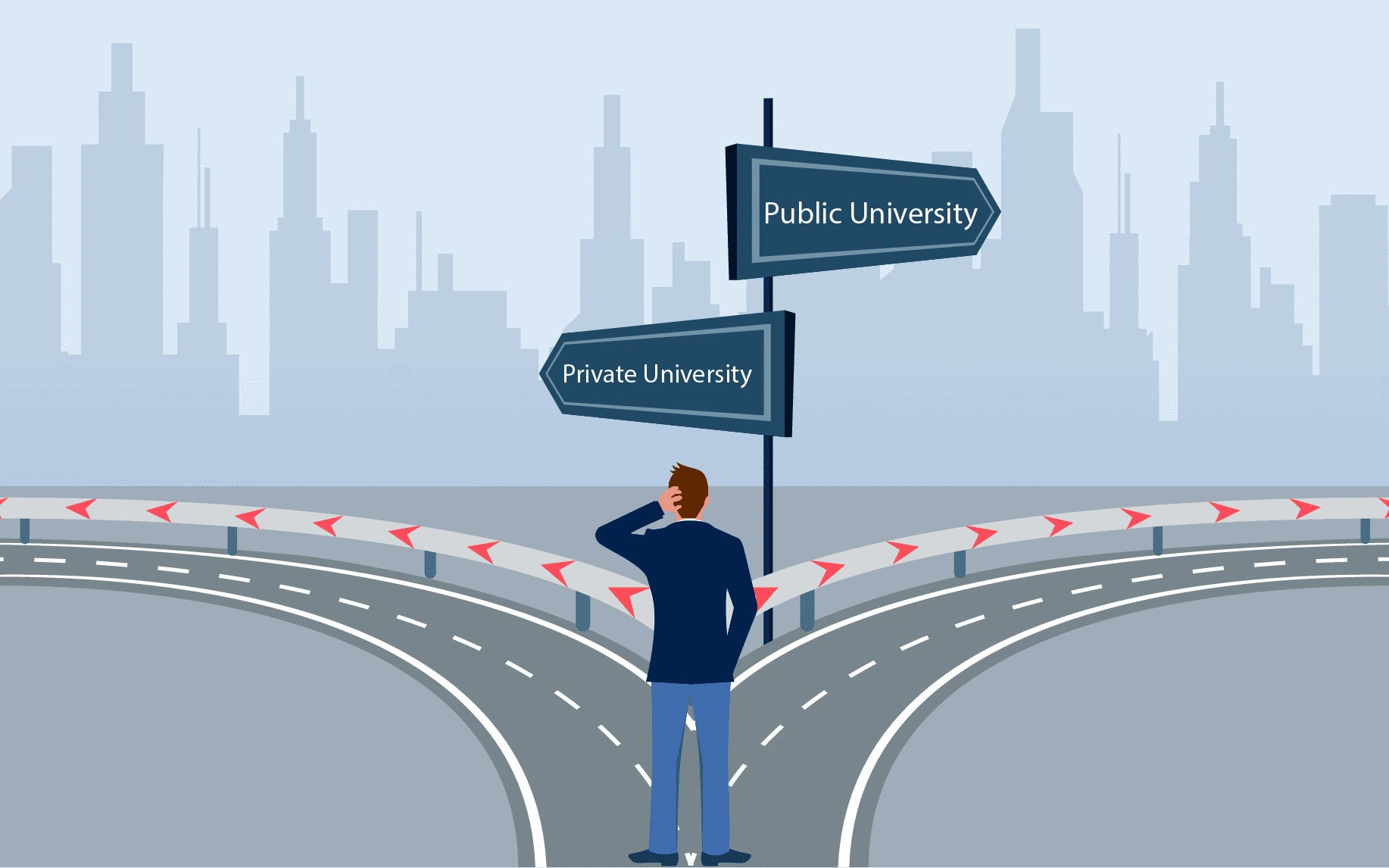
At first, I thought studying in Germany was just about picking a good city. Berlin or Munich, maybe? But the real choice that caught me off guard was between public vs private universities in Germany. It’s a bigger decision than most people realize affecting not just your bank account but your future opportunities too.
You’ve probably heard that public universities in Germany are free and that’s true, mostly. But what’s the tradeoff? And are private universities really worth the higher tuition?
In this no-BS breakdown, I’ll walk you through everything you actually need to know. From real costs and quality to job prospects and what students regret most. This isn’t your average study abroad blog post this is the stuff no one told me when I was applying.
Why Public vs Private Universities in Germany Actually Matters
Everyone talks about tuition fees being lower (or nonexistent) at public universities. That’s true, but it’s not the whole story. What I’ve seen after helping dozens of students navigate this exact choice is that this decision shapes how you study, who teaches you, the size of your classes, and even how employers see your degree.
Let’s break this down.
- 📉 Public universities: Often tuition-free, especially for EU/EEA students. Still, you’ll pay semester fees (100–400 euros), and spots are very competitive.
- 💼 Private universities: Cost money often €5,000 to €20,000+ per year. But they offer smaller classes, English programs, and better industry connections.
And here’s something most people don’t talk about private schools often let in students with lower GPA scores or non-traditional backgrounds. That can be life-changing for many.
In 2024, DAAD reported that over 70% of international students still choose public universities. But private enrollment has gone up over 20% since 2020 and there’s a reason.
From what I’ve seen, it’s not just about cost. It’s about accessibility, flexibility, and career focus.
The Public vs Private Universities in Germany Approach That Actually Works
I’ve been on both sides public and private and let me tell you, the “right choice” isn’t about the money. It’s about your goals.
Here’s how to approach this the smart way:
Step 1: Define what “success” looks like for you
Want prestige and research-driven degrees? Public might be for you. Want career-ready skills, international programs, and industry exposure? Private may win despite the price tag.
Step 2: Check language and admission flexibility
Many public unis still offer most courses in German. Private schools are friendlier for English speakers and first-generation international students.
Step 3: Analyze total cost of living, not just tuition
Public might seem free but think: cost of living in Munich vs tuition in a private uni in a smaller city with a paid internship. Sometimes private comes out cheaper overall.
Advanced Public vs Private Universities in Germany Tactics Worth Your Time
Once you’ve narrowed it down, next steps matter:
- Check for dual programs private unis often partner with local companies
- Contact student ambassadors get real advice from current locals
- Compare alumni networks, not just rankings who hires graduates?
I once picked a public uni ranked Top 10 but couldn’t find any internships close to my field. Later, I learned a smaller private uni had direct ties to a company I wanted to work for. Lesson learned.
Public vs Private Universities in Germany Pitfalls That Sabotage Success
Let me burst a few bubbles because “best practices” in uni selection often fail today.
Mistake #1: Obsessing over tuition fees alone
Sure, public sounds cheaper. But if your course is mostly in German and you end up repeating modules or switching majors, you’ve lost time and time is money.
Fix: Calculate the “total cost of graduating,” not just year one.
Mistake #2: Trusting rankings without context
Many global rankings barely include private German unis. But that doesn’t mean they offer worse education they’re just working off different metrics.
Fix: Look at industry ties, internship programs, and grad employment stats instead.
Mistake #3: Thinking you’ll “learn German eventually”
Public universities expect fluent German for most courses. Waiting until you arrive rarely works. I’ve seen countless students drop out or transfer because they underestimated the language barrier.
Fix: If you’re not confident in German, stick with programs that are fully English-taught mostly found at private institutions.
How to Fix University Planning Problems Fast
Here’s what I use as a sanity-check list when helping others choose:
- Is the course in English or German?
- What’s the real cost per semester including living?
- How many people get jobs within 6 months?
- Does the program offer internships or job links?
Write your own list, in your words and compare at least 3 schools side-by-side before applying.
What Nobody Tells You About Public vs Private Universities in Germany
No one really talks about how lonely it can feel at big public unis. Some classes have 300+ students. You won’t get the same mentorship unless you actively seek it out.
On the flip side, private schools often feel like high school again intimate, structured, and a lot of scheduled interaction. Some love that. Others feel boxed in.
Here’s the unexpected truth: neither is better by default. What works best depends on your personality, language skills, finances, and long-term goals.
In my case? I needed structure and accessibility so a smaller private university saved my entire academic journey.
Public vs Private Universities in Germany Questions Everyone’s Asking Right Now
What changed in 2025 that affects this choice?
Germany tightened visa rules, especially for non-EU students. Proof of income, job market skill alignment, and course relevance now matter more making private unis with strong corporate links more appealing.
Is it true that private unis help more with internships?
Yes, especially business and tech schools. I’ve seen private schools offering paid internships by Semester 2, something public universities rarely organize directly.
What’s the best time to apply for public or private universities?
Start 6–9 months in advance. Public intakes are limited (mostly winter semester). Private unis often offer rolling admissions and quicker decisions.
Can I get a student visa if I choose a private university?
Absolutely but your school must be officially recognized. Always check the university is on Germany’s “anerkannte Hochschulen” (accredited) list.
What’s the real total cost difference?
Public: €300–€600 per semester plus living.
Private: €5,000–€20,000 per year plus living but more likely to offer career services and internship guarantees that offset costs.
What’s best for international students without German language skills?
Private universities often win here. They offer fully English-taught programs and robust student support services.
Conclusion
So here’s the deal with public vs private universities in Germany: it’s not as simple as “free vs expensive.” And it’s definitely not about picking the top-ranked school just because it sounds impressive.
What works best depends on your goals, background, and how you learn. Many students thrive in public universities. Others like me find more success, structure, and opportunities in private ones.
Ready to move forward? Grab a pen, make your checklist, and compare three options honestly. Don’t overthink it. Just start.