
Study Abroad: Cheapest Countries to Save You Thousands

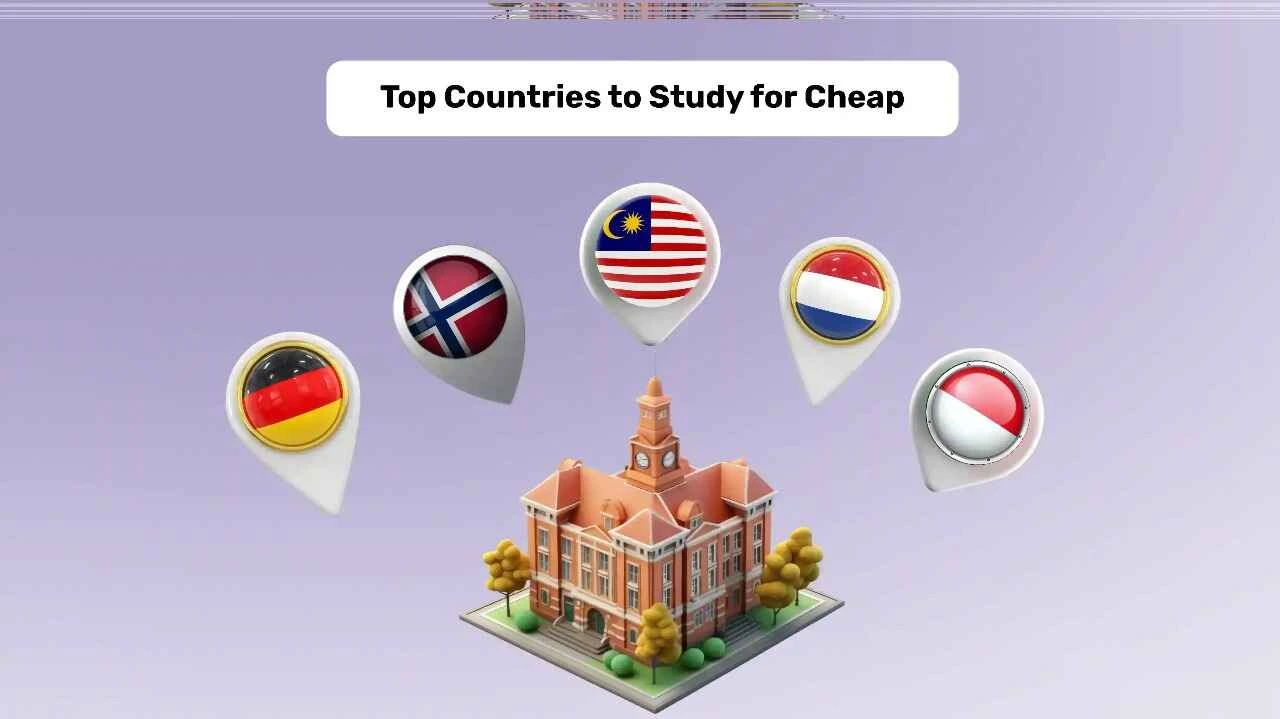
I used to think studying abroad was only for the wealthy or the wildly lucky. Back in college, the idea of spending a semester overseas sounded amazing but terrifyingly expensive. A friend showed me his tuition bill from Germany, and I nearly dropped my burrito. €0. That’s not a typo.
Turns out, the idea that studying abroad costs a fortune? It’s just not true anymore.
In this post, we’re peeling back the brochure-perfect myths and digging into the real cheapest countries to study abroad not just on paper, but in actual daily life costs, tuition fees, and ease of access. Whether you’re planning for 2025 or just dreaming ahead, here’s everything you need to know about affordable international education.
Why Study Abroad Actually Matters
Let’s be honest: everyone says “study abroad” changes your life. But what nobody tells you is why specifically why it matters beyond the inspirational Instagram posts with mountain backdrops and cappuccinos.
In my experience, the impact of study abroad goes much deeper. It gives you a fresh lens to view the world, makes you stand out on job applications, and helps you build a global professional network years ahead of your peers.
Recent studies (ICEF Monitor, 2024) revealed that graduates who studied abroad earned 23% more on average than those who didn’t. That’s not pocket change. Plus, many companies now rank cross-cultural experience as a top hiring factor.
So yeah, the ROI is real but only if you can swing the costs. And that’s where knowing the cheapest countries to study abroad makes all the difference.
The Study Abroad Approach That Actually Works
Now, here’s the part most guides skip: how to actually make studying abroad affordable from day one without sacrificing education quality.
Step 1: Start Where Tuition is Free (or Nearly Free)
You’d be surprised how many countries offer free or low tuition, even for international students. Places like Germany, Norway, and the Czech Republic have public universities charging little to nothing.
What works best: Look for countries that offer tuition-free undergraduate or master’s programs in English.
Step 2: Target Cities Where Rent Won’t Kill You
Even if tuition is low, living costs can wreck your budget. That’s why countries like Georgia or Vietnam have a serious edge you can live (very well) on under $500/month.
Step 3: Apply for the Right Scholarships Early
Many affordable countries still offer scholarships to international students. The key is to apply early usually 9–12 months ahead of the academic year. Don’t leave this to the last minute.
Advanced Study Abroad Hacks Worth Your Time
- Dual Degrees: Some programs let you study in two countries for one tuition price.
- Work-While-You-Study Countries: In places like Australia, Germany, and South Korea, students can work part-time to cover costs.
- University Partnerships: Some home universities have exchange deals that waive international fees entirely. Ask your study abroad office.
Study Abroad Pitfalls That Sabotage Success
Let me burst some bubbles.
These “best practices” you keep hearing? They can kill your shot at affordable study abroad if you’re not careful. Here’s what’s breaking budget travel for students in 2025 and how to fix it fast.
❌ Mistake #1: Only Looking at Western Countries
The US, UK, and Australia dominate headlines but are also the most expensive. South American and Asian countries offer high-quality education for under $3,000 per year. Don’t ignore them.
Fix It: Start with a region-first approach. Focus on Central Europe, Southeast Asia, or Latin America.
❌ Mistake #2: Underestimating Application Deadlines
Many scholarships close almost a year before school starts. Miss the window, and you’re stuck paying full freight or skipping the dream entirely.
Fix It: Set calendar alerts for each country’s admission and visa deadlines. Google Sheets is your friend.
❌ Mistake #3: Falling for “English-Taught” Traps
Some programs advertise courses in English, but reality doesn’t match. I’ve heard from students in Spain and France who arrived only to find lectures in the local language.
Fix It: Request course syllabi in advance or talk to alumni via forums.
How to Fix Budget Study Abroad Problems Fast
Here’s a quick checklist I always follow:
- ✅ Compare full cost of living, not just tuition
- ✅ Ask current students for tips on housing and side jobs
- ✅ Check Facebook groups for international student alerts
- ✅ Use student discounts including flights and accommodation
- ✅ Always have a “Plan B” visa option, just in case
What Nobody Tells You About Study Abroad
I’ll be honest none of the study abroad websites ever prepared me for the emotional rollercoaster of living in a new culture. It’s not all monuments and markets.
But that’s the beauty of it.
You learn to navigate loneliness, cook weird groceries, and decode foreign banking systems. That builds resilience. And that’s what employers really want not another degree, but the soft skills you can’t fake on a resume.
The payoff? You come back unstoppably confident and often, debt-free if you pick the right location.
Study Abroad Questions Everyone’s Asking Right Now
What’s the cheapest country to study abroad in 2025?
As of 2025, Germany still leads, offering tuition-free programs in public universities for most international students. Georgia, Mexico, Poland, and Vietnam are also rising stars for low-cost, quality education.
Is Germany really free for international students?
Yes. Public universities in Germany charge €0 for tuition, though you’ll pay €250–€400 per semester in admin fees. Living costs vary, but many cities like Leipzig or Dresden are student-friendly.
Can you study abroad on a tight budget?
Absolutely. With countries like India, Turkey, or the Philippines, you can survive on $300–$600/month, including rent. Pair that with tuition below $2,000/year, and it’s very doable.
Is it better to study abroad in Asia or Europe?
Both offer cheap options. Europe (like Germany, Czech Republic, Poland) is great for tuition-free degrees. Asia (like Thailand, Malaysia, and Vietnam) wins in ultra-low living costs.
Do I need to speak the local language?
Not always. Many cheap programs are fully in English. But learning the local language helps with integration, work permits, and day-to-day life.
Conclusion: The Real Deal with Study Abroad
So here’s the deal with study abroad: It’s not as complicated as people make it but not as simple as reading one blog post either.
The truth is, real opportunity lies in digging deeper than the mainstream advice. It’s about choosing the right country, applying early, and optimizing both tuition and lifestyle costs.
I’ve shared what I’ve personally seen work. Pick one country from this guide and start researching today. Don’t aim for “perfect” aim for possible. That’s where the success stories start.