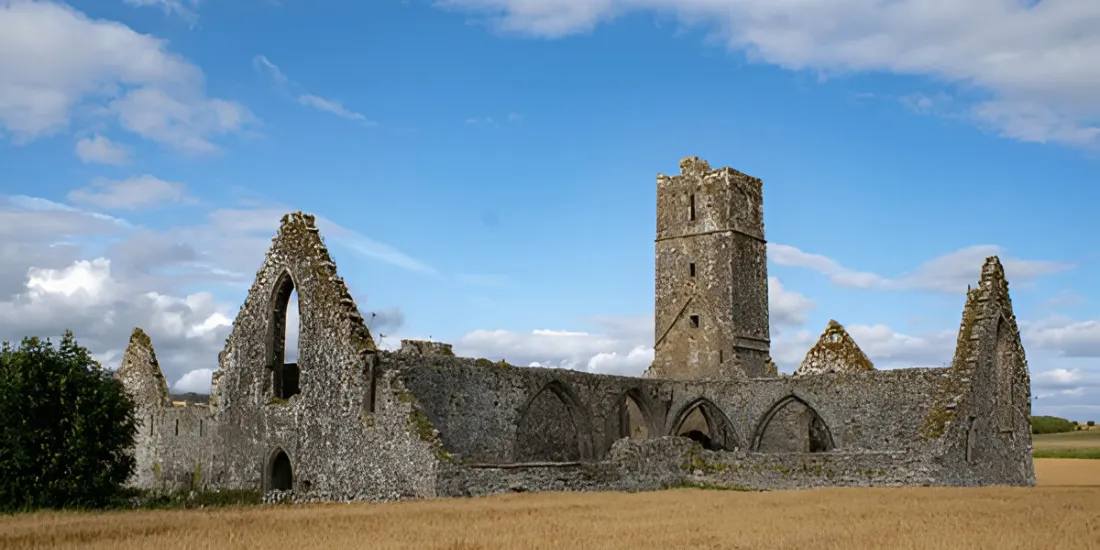


Kilkenny is a small, historic city in south-east Ireland, known for its castle, crafts and festivals, but it is not a major university city. There is no large university campus in Kilkenny itself, so most international students who look at Kilkenny end up studying at South East Technological University (SETU) in nearby Carlow or Waterford, or at another Irish university, and living in or near those towns. This guide explains what is and is not available in Kilkenny, how Ireland’s student visa works for Indian students in 2026, and how to choose between Kilkenny and bigger student cities. Last reviewed on 11 November 2026.
What Kilkenny Offers Students
- A small, walkable heritage city. Kilkenny is compact and known for its medieval centre, which many students find easier to settle into than Dublin.
- Further education and training. Courses at colleges of further education are available locally, and they lead to qualifications that can feed into degree programmes. Check each course’s level and visa eligibility, because not every course qualifies for a student visa.
- Agriculture and horticulture. SETU runs Kildalton College, an agricultural and horticultural campus at Piltown in County Kilkenny. Confirm current programmes and international eligibility with SETU.
- Close to larger options. SETU’s main campuses are in Waterford and Carlow, within roughly an hour of Kilkenny, and Dublin and Cork are further away by road and rail.
- What it lacks. There is no large degree-awarding university in the city. Maynooth University closed its Kilkenny campus at St Kieran’s College in 2018, so older guides that mention it are out of date.
Where to Study if You Want to Live Near Kilkenny
| Option | Known for | Good to know |
|---|---|---|
| SETU Carlow campus | Business, computing, engineering, science, aircraft systems, creative and health-related courses | Closest SETU campus to Kilkenny; check which courses accept international students and the intake dates |
| SETU Waterford campuses | Wide range of undergraduate and postgraduate courses | The largest SETU campus area; also near Kilkenny; see our Waterford guide |
| SETU Kildalton College (Piltown, Co. Kilkenny) | Agriculture and horticulture | Confirm programmes and international eligibility with SETU |
| Universities in Dublin, Cork, Limerick and Galway | Research universities with larger international communities | Higher costs in Dublin and Cork; compare using our city guides |
Carlow College announced in May 2026 that its current students will be supported to finish their studies and that its land and buildings are expected to transfer to SETU, so check the status of any Carlow College programme before you apply. SETU’s international team (SETU Global) can confirm which courses accept non-EU students and which scholarships apply.
Student Visa and Funds for Ireland
Indian students need a long-stay study visa from the Irish Immigration Service. Rules, fees and amounts are set by the Irish Government and change, so confirm every item on the official immigration website before you apply. At the time of this review:
| Item | What to expect |
|---|---|
| Eligible course | Your course must be on Ireland’s list of eligible programmes (ILEP). Check that the specific course is listed before you pay |
| Tuition paid | At least €6,000, or the full fee if it is lower, paid before you apply |
| Living funds | Evidence of access to €10,000 for the first year, shown through six months of bank statements, and another €10,000 for each later year |
| Visa application fee | €60 for a single-entry visa |
| Residence permit (IRP) on arrival | €300, paid by card when you register within 90 days of arrival, and again each year when you renew |
| Health insurance | Private medical insurance is required; costs roughly €150 to €500 a year according to cost guides |
The €10,000 is a minimum visa requirement, not a full budget. Actual living costs depend on where you live, so ask your college for current housing prices and plan on more than the minimum.
Working While You Study and After Graduation
- During your studies: on Stamp 2 permission, eligible students can work up to 20 hours a week during term and up to 40 hours a week during the main holiday periods, which cost guides list as 1 June to 30 September and 15 December to 15 January. Check the current dates and conditions.
- After your degree: the Third Level Graduate Programme (Stamp 1G) lets eligible graduates stay to look for work, 12 months after a bachelor’s degree at Level 8, and up to 24 months after a master’s or PhD at Level 9 or above. You usually need to apply while you still hold valid student permission, and conditions apply. Confirm the current rules before you rely on it.
Tuition Fees and Scholarships
Non-EU tuition at Irish universities and technological universities varies by course and level, and it changes each year, so use the fee shown for your course and intake on the college’s international page. SETU administers entry awards and scholarships for students who are charged non-EU fees, and you must hold an offer (or conditional offer) before you can be considered. Ask SETU Global which awards apply to your course, and compare with Irish government and external scholarships.
Housing
Student housing in Ireland is tight, so start early. If you study at SETU Carlow or Waterford, begin with the campus student services team, which provides accommodation advice and lists of options. Beware of scams that ask for a deposit before you have seen a contract, and never pay for housing you have not verified. Our student accommodation page explains how we can help.
Is Kilkenny the Right Choice?
- Kilkenny may suit you if you prefer a small, quiet, historic setting and your chosen course is at a nearby campus or in further education.
- Consider a larger city if you want a big international student community, more part-time job options or the widest choice of degree programmes. See our guides to Dublin and Cork.
FAQs About Studying in Kilkenny
There is no large degree-awarding university in Kilkenny city. Nearby options include SETU’s Carlow and Waterford campuses, and SETU’s Kildalton College agricultural campus in County Kilkenny.
You must show access to €10,000 for the first year and a further €10,000 for each later year, and you must have paid at least €6,000 in tuition, or the full fee if lower, before you apply. Check the official immigration website for the current rule.
Yes, on Stamp 2 permission you can work up to 20 hours a week during term and up to 40 hours a week during the main holiday periods, subject to the current conditions.
Through the Third Level Graduate Programme (Stamp 1G), graduates can usually stay 12 months after a Level 8 bachelor’s degree and up to 24 months after a Level 9 or higher degree, subject to conditions. Confirm the current rule before you rely on it.
It depends on your course, budget and preference. Dublin has the largest choice and the highest costs, while regional towns near technological universities can be cheaper and quieter.
Yes. Our counselling is free for students and covers study in Ireland and elsewhere. Start with the free profile assessment.
Get Help Choosing a College in Ireland
Eduvisor’s counselling is free for students. We are paid by partner universities and colleges once a student enrols and pays tuition fees, and we still show you options that suit your profile, including ones that are not with our partners. Start with the free profile assessment or contact us.
Sources: SETU, Carlow College and Irish education-portal information, and summaries of the Irish Immigration Service’s student rules. Fees, funds and permission rules change often, so confirm them with the college and the Irish Immigration Service before you apply.