If you’re looking at study abroad destinations in Italy, the names Rome, Florence, and Venice likely show up first and fair enough. They’re iconic. But if you want something more authentic, less noisy, and way more personal, study in Tuscania might be your hidden gem.
This small town, resting quietly between Rome and Florence, has started catching the attention of students who want more than just classroom learning they want meaning.
According to the Italian Ministry of Education, over 125,000 international students studied in Italy last year. In 2025, more of them are ditching crowded cities for places like Tuscania. And once they do? They’re hooked.
6 Real Reasons Smart Students Are Choosing to Study in Tuscania
Tuscania might not be splashed across TikTok reels, but it offers what many students say they need most: connection, calm, culture and lower expenses.
1. The Real Italy, Not the Tourist Version
You’ll live beside locals, walk old-world streets, and practice your Italian in cafés and street markets not tourist zones.
2. Afordable Everything
Rent, transport, gelato it’s all budget-friendly. Compared to Milan or Rome, studying in Tuscania is truly cost-effective.
3. You Learn Through Experience
Whether you’re in food studies, visual arts, or archaeology, Tuscania’s history becomes your classroom.
4. You’re Still Close to Major Cities
Florence is 2 hrs away. Rome? Even closer. You’re never far from big exploration.
5. Professors Know You
Small classes create personal relationships you’re never just a number here.
6. Fresh Air, Fresh Start
Clean, green, inspiring. Tuscania is where students come to slow down, focus, and grow.
Programs That Let You Study in Tuscania
There are no mega-universities in Tuscania and that’s one of its biggest strengths. You study through focused, immersive programs hosted by respected international institutions.
Semester + Year-Long Study Abroad in Tuscania
- Italian Language & Culture
- Archaeology and Ancient History
- Visual Arts (Painting, Photography, Drawing)
- Food Studies & Mediterranean Agriculture
- Environmental Studies & Sustainability
Summer / Short-Term Tuscania Study Programs
- Intro to Italian with Cultural Field Trips
- Roman Architecture & Site Visits
- Traditional Cooking & Culinary Anthropology
- Etruscan Archaeology Excavation
- Open-Air Studio Art
Who Should Study in Tuscania?
Tuscania is ideal for students who want learning to go beyond grades and get a little… personal.
You’ll LOVE studying in Tuscania if:
- You enjoy small towns, safe streets, and sunsets, not skyscrapers
- You value culture and conversation over nightlife and noise
- You care about climate, farming, ancient history, design, or traditional food
- You’re independent, curious, creative, and okay slowing down once in a while
It’s not for you if:
- You want nonstop urban energy
- You need shopping malls or big clubs
- You rely on Uber and Amazon Prime same-day delivery
Tuscania won’t be everyone’s dream but for those it is calling? It’s unforgettable.
How Much Does It Cost to Study in Tuscania?
Here’s the updated student cost breakdown for 2025:
| Item | Monthly Est. Cost |
|---|---|
| Shared Apartment | €300–€450 |
| Utilities | €50–€80 |
| Groceries | €150–€200 |
| Transit & Buses | €25–€40 |
| Dining Out | €10–€15/meal |
| Personal Items | €100–€150 |
Total Monthly Cost: ~€700–€950
Much lower than average for students who study abroad in cities like Rome (€1,200+).
Institutions That Offer Programs to Study in Tuscania
Lorenzo de’ Medici – Tuscania Campus (LdM
- Focuses on small-group programs in archaeology, art, cultural studies, and sustainable food systems
- Well-regarded for creative courses with real-world project components
API & CEA Study Abroad Providers
- Excellent student support (housing, excursions, local engagement)
- Accessible even if your university doesn’t directly partner with LdM
How to Apply to Study in Tuscania Your 2025 Application Plan
Step 1: Browse & Choose
Look through LdM’s official site, or universities partnered with CEA, CAPA, or API.
Step 2: Gather Documents
You’ll likely need:
- Valid passport
- Recent transcript
- Statement of Purpose
- Passport-sized photos
- Italian visa materials (we’ll cover that in a minute)
Step 3: Submit Application
Deadline: Most Fall 2025 programs close by March–April. Apply early for better housing.
Step 4: Wait, Confirm, Celebrate
Once you receive your acceptance get your visa process moving fast. Spring and summer embassy traffic backs up fast.
Visa Requirements for Your Study in Tuscania
If you’re a non-EU student staying longer than 90 days, you need a D-Type long-stay student visa.
Required Documents:
- Valid passport
- Confirmation of Enrollment
- Proof of housing
- Financial support (~€6,100 for a year)
- Health insurance valid in the Schengen Area
- Travel itinerary
- Visa fee (~€50)
After arriving in Italy, apply for your Permesso di Soggiorno (residence permit) within 8 working days.
Can You Work in Tuscania While You Study?
Yes! On a student visa, you can legally work part-time:
- Up to 20 hours per week during term
- Full-time during holidays/vacations
Common Student Jobs in Tuscania:
- English tutoring for local schoolchildren
- Waiter/barista at local cafés (especially ones used to foreigners)
- Helping with school trips or cultural festivals
- Assisting with farm internships or digital/social media for tourism offices
Accommodation While You Study in Tuscania
Most students live in:
- Homestays with Italian families
- Shared apartments with classmates
- Private single occupancy studios (more expensive, limited)
Average Monthly Rent:
- Homestay (with meals): €400–€500
- Shared Flat: €350–€450
- Studio (solo): €600–€800
Programs like API and LdM often help arrange your housing huge stress reliever.
What Is Daily Student Life in Tuscania Like?
Tuscania isn’t flashy, but wow, is it full.
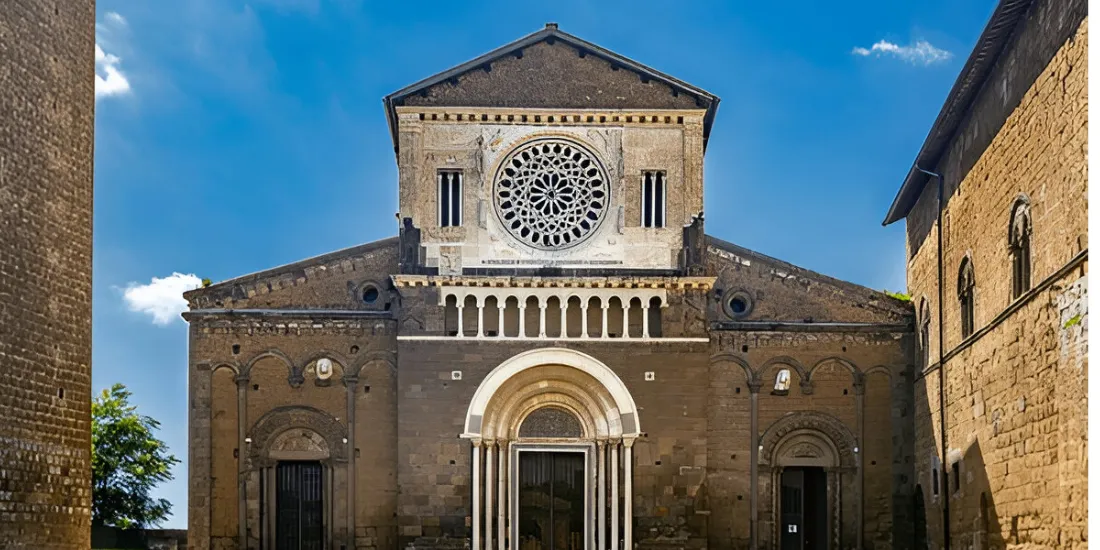
You might start your day with coffee under a vine-covered café balcony, walk to class past 13th-century churches, discuss food and memory in a classroom with 12 other students, and spend the afternoon painting, baking, practicing Italian, or just sitting still under the sun.
Evenings? They’re often spent cooking with flatmates, eating with your host family, or journaling in candlelight.
Studying abroad here doesn’t just change how you learn it changes how you live.
Scholarships & Study Abroad Funding for Tuscania
Top Funding Options:
- Gilman Scholarship (U.S. Students)
- FEA – Fund for Education Abroad
- API, CAPA, and LdM in-house grants
- University financial aid & travel funds
- Italian consulates sometimes have regional full or half funding too ask early!
FAQs About Studying in Tuscania
Yes small town, low crime, and the locals get to know you quickly.
Sure. Classes are in English. But picking up some Italian will deepen your experience SO much.
That depends entirely on you. If you like reflection, connection, learning, living no chance.
Expect mild winters and warm, sunny summers. It’s a Mediterranean climate perfect for outdoor learning and exploring.
Apply between October and March for Fall 2025 intake. Early applications get priority for housing and scholarships.
Final Thoughts: Is Tuscania the Right Study Abroad Destination?
Tuscania won’t wow you with tall buildings. It won’t impress your Instagram algorithm. But it will change the way you process knowledge, connect with people, and experience culture.
If you’re tired of crowded, expensive study abroad programs that feel a little too much like home, study in Tuscania is more than just a tag line. It’s an invitation to slow down, tune in, and grow up in the best way.