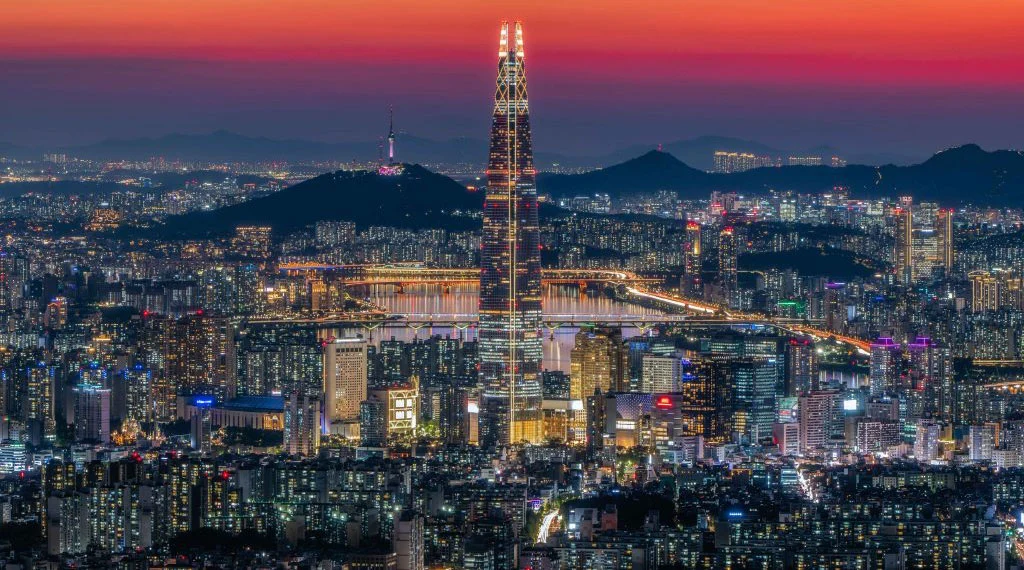
If you’re planning to study in Seoul in 2025, buckle up, you’re about to join one of the liveliest global student scenes on the planet. Every corner of Seoul hums with the energy of education: 24-hour study cafés, futuristic campuses, and bubble-tea-fueled group projects that run past midnight. With over 200,000 international students currently in South Korea and the government pushing a “Study Korea 300K” goal by 2027 (Korean MOE, 2024), the city is transforming into a true global classroom.
Over 60 universities in the capital welcome international learners from 159+ countries, including thousands exploring study abroad programs each year. Whether you’re chasing a degree, an exchange semester, or a Korean language dream, this ultimate Seoul study guide is here to help you live, learn, and thrive through 2025 and beyond.
Let’s map the city, the system, and all the secrets that can make your study in Seoul journey unforgettable.
Why Study in Seoul? The Heart of Korean Innovation and Education
Seoul isn’t just a study destination, it’s an experience. The pace, technology, safety, and opportunities come together in a way few cities can match.
Global Recognition
- #3 in QS Best Student Cities 2025, ahead of cities like Tokyo and Berlin.
- Top-three universities (SNU, Yonsei, Korea University) consistently rank in the top 100 globally.
- Seoul alone enrolls about 70% of South Korea’s international students (MOE, 2024).
Innovation Meets Tradition
Learning in Seoul means toggling between panoramic modernity, think AI labs and e-scooter commutes, and living heritage, from traditional hanok homes to endless K-culture.
Career Opportunities
Korea has risen as an Asian career hub. Tech, AI, entertainment, design, and business grads are in demand. Multinationals like Samsung, LG, and Hyundai prefer multilingual, globally educated candidates, a box you’ll tick after studying here.
Life Quality
- Ranked among the Top 10 safest cities worldwide (Numbeo, 2024).
- Excellent public transport: Over 90% punctuality and endless Wi‑Fi coverage.
- Student-friendly affordability, yes, even coffee refills exist at study cafés.
What Study Abroad Programs in Seoul Can You Choose?
Here’s a breakdown of study abroad programs you can explore depending on your timing, goals, and budget.
| Program Type | Duration | Visa Type | Who It’s For | Approx. Tuition (per semester) |
|---|---|---|---|---|
| Full Degree (Bachelor’s, Master’s, PhD) | 2–4 years | D‑2 | Long-term students seeking accredited degrees | KRW 3–7 million |
| Exchange Student | 1–2 semesters | D‑2 | Students from partner universities | Tuition often paid to home uni |
| Visiting/Direct Enroll | 1–2 semesters | D‑2 | Independent students without exchange agreements | KRW 4–8 million |
| Language Program (D‑4 visa) | 10–60 weeks | D‑4 | Students learning Korean language | KRW 1.5–2 million per term |
| Summer/Winter Schools | 3–8 weeks | C‑3/D‑2 short | Short-term cultural explorers | KRW 1–2 million |
Each path has its perks, degree programs offer deep immersion; language programs sharpen cultural fluency; exchanges provide global networking.
Top Universities to Study in Seoul (2025 Edition)
Seoul has over 40 accredited higher-ed institutions that welcome foreign learners. Here are the standouts:
- Seoul National University (SNU)
- Korea’s Ivy League equivalent, #1 domestically and #36 globally (QS 2025).
- Recognized for engineering, law, and social sciences excellence.
- Offers 800+ English-taught courses yearly.
- Yonsei University
- Korea’s first Western-style institution, located in buzzing Sinchon.
- Global Underwood International College (UIC) runs entirely in English.
- Korea University (KU)
- Known for business, policy, and international relations programs.
- The Anam campus offers one of Korea’s most vibrant student cultures.
- Sungkyunkwan University (SKKU)
- Samsung-backed powerhouse with top rankings in business and tech.
- Ewha Womans University, Hanyang University, Sogang University, and HUFS
- Diverse in size and spirit, offering everything from digital media to linguistics.
Costs to Study in Seoul: 2025 Breakdown You Can Actually Trust
Let’s talk numbers, not guesses.
Average Annual Tuition (KRW)
- Humanities & Business: 6–9 million KRW (4,400–4,400–6,600)
- Engineering & Science: 8–12 million KRW (5,800–5,800–8,800)
- Art & Design: 9–14 million KRW
- Medicine: 11–18 million KRW
Monthly Living Costs in Seoul (Budget-Student to Comfortable Range)
| Category | KRW Range/month | USD Approx. |
|---|---|---|
| Housing | 400,000–900,000 | 300–670 |
| Food | 300,000–500,000 | 220–370 |
| Transport (Metro + Bus) | 70,000 | 50 |
| Utilities & Phone | 80,000–120,000 | 60–90 |
| Health Insurance (NHIS Student) | 60,000–80,000 | 45–60 |
| Books/Misc. | 70,000–100,000 | 50–75 |
Total Estimate: 1.0–1.8 million KRW/month (740–740–1,300).
Compared globally, Seoul sits comfortably below London, New York, or Sydney but higher than Kuala Lumpur or Prague.
Visa & Documentation: The Study in Seoul Entry Guide
You can breathe, this part’s more logical than scary.
1. D‑2 Student Visa (Degree, Exchange, Visiting)
- Issued to: Students admitted to full-time academic programs.
- Requires: Certificate of Admission, passport, academic records, financial proof (minimum ~KRW 20M balance), and visa fee (~USD 60–90).
- Processing Time: 3–6 weeks.
2. D‑4 Visa (Language Training Students)
- Admission proof from a recognized Korean language institute.
- Tuition prepayment for a term.
- Financial Statement: Approx. KRW 10M for 6 months.
After Arrival:
- Apply for an Alien Registration Card (ARC) within 90 days.
- All foreign students must join the National Health Insurance Service (NHIS), mandatory by Korean law (approx. 60,000 KRW/month).
Study Abroad Tip:
Your ARC is your best friend in Korea, don’t lose it; without it, you can’t even get a phone plan.
Application Season Calendar: When to Apply (2025–2026)
| Intake | Application Window | Semester Start |
|---|---|---|
| Spring 2025 | Sep–Nov 2024 | March 2025 |
| Fall 2025 | Mar–May 2025 | September 2025 |
| Spring 2026 | Sep–Nov 2025 | March 2026 |
Exchange nominations usually close 6–9 months before the semester begins. Always confirm with your home university coordinator.
Scholarships to Study in Seoul (Save That Wallet!)
Money shouldn’t gatekeep your dreams. Seoul offers dozens of scholarships for internationals. Here’s the big picture:
1. Global Korea Scholarship (GKS)
- Covers: Full tuition, living stipend (KRW 1M/month), airfare, insurance.
- Eligibility: Outstanding academic merit; open to both undergrad and grad.
- Timeline: Embassy Track (Fall intake closes in March); University Track (varies).
- Spots: ~2,000 awards per year globally (NIIED 2024).
2. University Scholarships (Automatic or Application-based)
- SNU Global Scholarship: 50–100% tuition waiver.
- Yonsei UIC Merit Awards: Full tuition exemption for top ranks.
- Korea University Global KU: Up to 80% funding, renewable by GPA.
- SKKU and Hanyang International Excellence: KRW 2–4M per semester.
3. Seoul City Support
- Occasional housing or stipend awards for international students through the Seoul Global Center.
Pro tip: Korean universities love early birds, applying in the first round drastically raises scholarship odds.
Work While You Study in Seoul: Yes, You Can!
You’re not confined to textbooks, Korean law allows part-time work once permission is granted.
- Hourly Limit: Up to 20 hours per week (undergrad) or 30 hours (grad) during semesters.
- Hourly Wage (2025): 10,030 KRW/hour (Korea MOEL).
- Allowed Jobs: Cafes, English tutoring (with permission), research assistantships, translation gigs, or campus work.
- Note: You must maintain 75% attendance and a GPA above 2.0 to keep work permission valid.
Internships are booming, especially in startups and creative industries. Ask your departmental office for programs recognized for credit.
Post-graduation, apply for the D‑10 job-seeker visa to extend your stay while applying for roles.
Finding Your Seoul Home: Dorms, Goshiwons, and Off-Campus Housing
The housing scene can feel like an adventure quest. Here’s a cheat sheet.
1. University Dormitories
- Budget: KRW 300,000–600,000/month
- Pros: Affordable, close to campus, language buddies built-in.
- Cons: Curfews and limited privacy.
2. Goshiwons (Mini Studios)
- Cost: KRW 400,000–650,000/month, deposit-free.
- Perfect for short-term or language students.
- Popular near Sinchon, Anam, Hyehwa, and Konkuk areas.
3. One-Room Apartments/Officetels
- Range: KRW 600,000–900,000/month, deposit of 5–10M KRW.
- Added freedom and private living but pricier upfront.
Housing Hack: Facebook housing groups and university noticeboards are lifesavers. Never pay a deposit before viewing or using a registered realtor (부동산).
Cultural & Daily Life: Living the Seoul Student Rhythm
- Public Transport: Seoul Metro covers 22 lines; get a rechargeable T‑money card or Climate Pass (KRW 65,000/month).
- Food: Campus cafeterias, tteokbokki stalls, and kimbap eateries keep you full on KRW 6,000 a meal.
- Connectivity: 5G basically everywhere. Always ask for “Wi-Fi password juseyo” with confidence.
- Safety: One of the world’s lowest crime rates; walking home late is generally safe.
Weekends? Hike Bukhansan, explore Hongdae art streets, or hit a noraebang to sing your stress away.
Step-by-Step: How to Apply for Study in Seoul (Made Simple)
- Shortlist Universities & Programs: Check rankings, majors, and campus vibe.
- Review Eligibility: Verify GPA, English/Korean proficiency, and visa category.
- Gather Documents: Apostilled transcripts, recommendation letters, proof of funds, SOP.
- Apply: Online submissions typically open 6–12 months before the start date.
- Wait for Offer Letter: Most schools release results within 6–8 weeks.
- Secure Funding: Apply to GKS/university scholarships immediately after acceptance.
- Visa Application: D‑2/D‑4 via your nearest Korean Embassy.
- Pre‑Departure: Arrange housing, flights, ARC appointment.
- Orientation & NHIS Enrollment: Settle in, attend university welcome sessions.
When Should You Start Planning Your Study in Seoul Journey?
- 12 Months Before: Research schools, compare study abroad programs, and list scholarships.
- 9 Months Before: Begin test prep (TOPIK or English tests).
- 6 Months Before: Apply to universities and funding options.
- 3 Months Before: Handle visa and housing.
- 1 Month Before: Prepare travel, luggage, and a healthy coffee tolerance.
The earlier, the calmer your life will be.
Quick FAQ: Study in Seoul Essentials (2025 Version)
Q1: Do I need to know Korean to study in Seoul?
Not necessarily. Most universities offer 30–70% of courses in English. But Korean proficiency opens part-time work and internship options.
Q2: How safe is Seoul for international students?
Exceptionally safe, petty crime is rare, and public transport runs late into the night.
Q3: Can I stay in South Korea after graduation?
Yes. Apply for the D‑10 job-seeker visa, or work visa (E‑7) if you secure employment.
Q4: What’s the total yearly cost?
Expect around KRW 18–30 million/year (13,000–13,000–22,000), depending on course and lifestyle.
Final Thoughts: Seoul Awaits Your Story
Studying in Seoul is not just about ticking off classes, it’s about discovering who you are in one of the world’s most future-ready cities. You’ll leave with more than a degree: adaptability, lifelong friendships, and a touch of Korean grit (plus a ramen addiction).
If your dream is to join the global elite shaping the future, study in Seoul is your best next move. Start early, stay curious, and soak in every café-fueled, neon-lit moment of your student life.
The subway doors are opening. Time to step in.