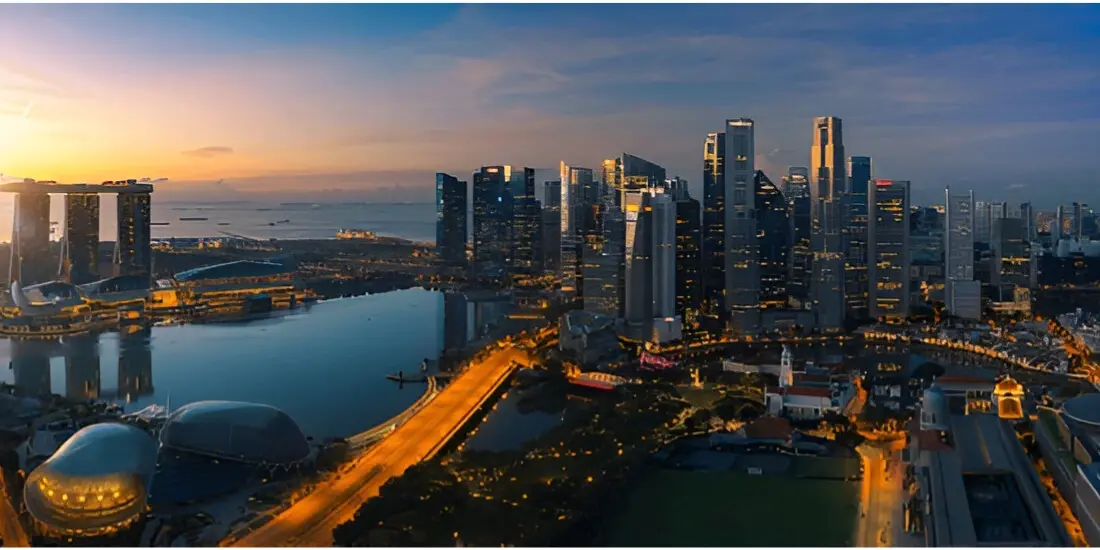
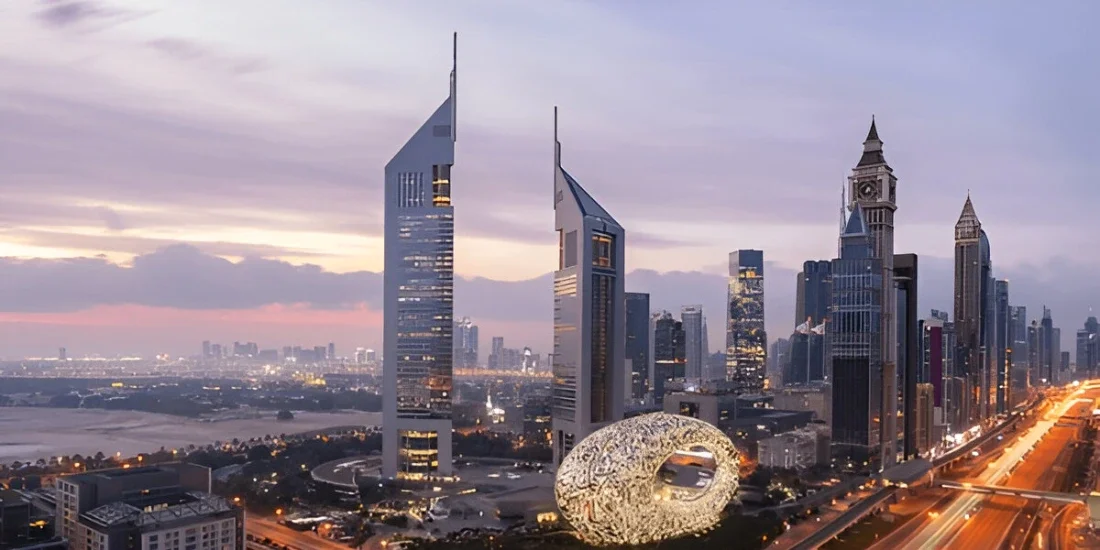
You step off the plane and wham-the heat wraps around you like a thick blanket. It’s not total-death heat (okay, maybe in August), but it’s this warm, dry hug that smells faintly like sun-warmed stone, spices, and jet fuel. You get through immigration (a bit of a wait, not gonna lie), grab your suitcase, and walk out into the blinking brightness of Dubai’s madness-meets-marble-glamour vibe. If you’re planning to study in Dubai, this is your first taste of the city’s unique energy-bustling streets, iconic skyscrapers, and endless opportunities all around.
And here’s the thing: while you’re standing outside Terminal 3 clutching your overstuffed backpack and squinting at Uber fares, someone walks past you in a hoodie and sunglasses like it’s fall in London. Welcome to Dubai.
You’ll hear five different languages just crossing the street. Cafes blast Arabic pop next to Starbucks playing Ed Sheeran. On your way to your dorm (or Airbnb for now), you’ll pass swooping skyscrapers, massive malls, gold-colored mosques, supermarkets that smell like cardamom and dried fish, and about 13 people video-calling home all at once.
And somewhere in that sensory overload, it hits you: “Wow. I actually live here now.”
Why Study in Dubai?
So here’s the honest tea-if you’re looking up “study in Dubai,” you’re already halfway serious. But in case you’re still on the fence, let me lay it out from someone three semesters deep:
Dubai has one foot in the future and one in global tradition.
In 2025, Dubai’s education scene is wild in the best way. There are over 60 international university campuses here, and no, that’s not a typo. You’ll find branches of British, American, Indian, Australian, and even French universities. And they’re not knock-offs-they’ve got legit profs, international accreditations, and strong job networks.
Plus:
- More than 200 nationalities live in the UAE. You will meet Brazilians, Nigerians, Indonesians, Canadians and probably someone from a country you had to Google on day one.
- The city is investing hard in becoming a long-term base for students and startups. Think internship opportunities, innovation hubs, government support.
- English is everywhere, so you won’t struggle with language (though learning a few Arabic phrases does win you brownie points).
And let’s be real: if you’re into futuristic skylines, AI robots in malls, and the occasional luxury sports car flashing by while you eat shawarma-this place is a lot. In a good way.
Top Universities to Study in Dubai and Popular Courses
Here’s who’s who in the uni game, Dubai edition. Can’t say “best” in a strict ranking way, ‘cause it depends on what you wanna study, but here’s a breakdown I wish I had:
| University Name | Known For | Tuition (USD per year) | Real Talk / Vibe Check |
| University of Dubai | Business, IT, Law | 9,000–9,000–16,000 | Small-ish, local and international mix. Chill, slightly corporate energy. |
| American University in Dubai (AUD) | Architecture, Engineering, Arts | 21,000–21,000–26,000 | Fancy campus. Feels straight outta a US movie set. Diverse crowd, a bit expensive. |
| Heriot-Watt University Dubai | Engineering, Psychology, Business | 14,000–14,000–18,000 | Good UK degree option. Strong British presence. Solid reputation, semi-intense workload. |
| Middlesex University Dubai | Media, Psych, Law | 10,500–10,500–14,000 | British uni with a chill, creative vibe. If you’re into filming, design, or journalism-solid pick. |
| Manipal Academy of Higher Education Dubai | Engineering, Biotech, IT | 6,000–6,000–9,000 | Affordable, mostly Indian-origin crowd. STEM-heavy. Good hangout spots on campus. |
| Canadian University Dubai | Business, Comms, Environment | 12,000–12,000–18,000 | Lots of networking events. Feels very North American. New campus, modern everything. |
Most of these unis offer both bachelor’s and master’s degrees, and many let you start in Dubai and transfer later to the home campus (say, London or Toronto). That’s a good escape hatch if the desert’s not for you.
Cost of Living and Tuition Details
Let’s get into the numbers, because yeah, this is what it comes down to for a lot of us.
| Expense | Monthly Cost (USD) | Budget Tips |
| Rent (shared) | 400–400–800 | Live in uni dorms or find roommates in Al Qusais or Karama |
| Food | 150–150–250 | Cook! Groceries are cheaper than daily Starbucks. Lulu & Carrefour are lifesavers. |
| Transport | 30–30–50 | Get a student NOL card. Metro and bus work pretty well. |
| Phone/Data | 15–15–30 | DU and Etisalat both have student bundles. |
| Fun/Leisure | 50–50–100 | Beach is free. Explore the city on foot when possible. |
Hot tip: Buy second-hand literally everything. Facebook Marketplace is full of barely-used desks, rice cookers, phones, you name it.
Scholarships and Financial Aid
Scholarships in Dubai aren’t some magical golden ticket, but they’re out there if you look.
University-Based Scholarships:
- Most unis offer merit-based discounts – 10 to 50 percent depending on your grades or IELTS score.
- First-year applicants sometimes get discounts for early applications. Heriot-Watt and AUD usually announce these around Feb or March.
National or Regional Scholarships:
- Sheikh Mohammed bin Rashid Scholarships: Leadership and academic-focused. More for postgrad, but if you’re stellar, it’s worth a shot.
- Al Qasimi Foundation: Primarily for Gulf regional students or residents doing impactful research.
Application advice?
- Be early. Seriously, March is already late for some unis.
- Your Statement of Purpose matters. Avoid clichés. Say what you want-no copy-paste fluff.
- Ask for feedback from a friend or teacher before hitting submit.
How to Apply to Study in Dubai: 5 Steps for International Students
I remember hunting for info on this and feeling totally overwhelmed. Turns out, it’s not that deep. Here you go:
Step 1: Pick 2 or 3 unis
Do deep dives. Look at their Instagram, Google reviews, Reddit threads, and maybe even message a student ambassador.
Step 2: Get Your Docs Lined Up
You’ll usually need:
- Valid passport
- High school or undergrad transcripts
- IELTS/TOEFL results
- Personal Statement
- One recommendation letter (if undergrad, not always needed)
Step 3: Apply Online
Each uni has their own site or portal. It’s not centralized like UCAS.
Step 4: Pay the Application Fee
Some unis ask $50 to $100 to process your app. Annoying, but standard.
Step 5: Offer Letter and Visa Processing
Once accepted, the uni will walk you through the visa steps (they usually sponsor you).
Visa and Work Rules for International Students in 2025
You’ll apply for a resident student visa, with your university as the sponsor.
The visa’s usually valid for 1–2 years, renewable. The process includes medical tests, Emirates ID registration, and some paperwork-most unis guide you through it.
Can You Work?
Yes – but part-time and only with permission. As of 2025:
- You can work 15–20 hours a week during classes.
- Internships are totally doable, either on-campus or through formal agreements.
- Off-the-books jobs are risky. Don’t mess with UAE labor laws. Fines are no joke.
Graduating? There’s a post-study work visa now. If you score high GPAs and have a job offer, you can stay on a skilled worker visa or entrepreneur route.
Student Housing Options for Those Who Study in Dubai
Housing is a whole thing, so here are real-life pros and cons of where most students crash:
On-Campus Dorms
- Convenience: 10/10. No commuting stress.
- Slightly pricey: $600/month and up.
- Always people around, which is great until you want sleep and they’re blasting music.
Off-Campus Picks:
1. International City
- Super affordable (
- 300–
- 300–500).
- Diverse crowd-Chinese, Pakistani, African, Indian communities.
- Long commute to unis unless you’re studying in Academic City.
2. Al Nahda / Al Qusais
- Student-heavy, supermarkets everywhere.
- Feels like home for South Asians.
- Older flats, but affordable.
3. Dubai Silicon Oasis
- Near many campus clusters.
- Newer buildings, student-friendly apartments.
- Rent slightly higher, but clean and chill.
4. Dubai Marina
- Dream location, especially if you’re at AUD.
- Extremly expensive unless you’re splitting with three people and a cat.
- Feels like Instagram exploded, in a good way?
Student Life, Food Culture, and Daily Vibes
Dubai is a sensory buffet. One day you’re eating manakish at a Lebanese bakery, the next you’re crying over a Thai green curry that lied about being “mild.” There’s food from literally everywhere.
Your average day?
- Wake up to call to prayer followed by AC humming.
- Grab karak tea at the corner stand for about 40 cents.
- Jump on the metro (with 10 other sleepy students).
- Classes, maybe some weird group project arguments mixed in.
- Hit the gym or beach or get stuck in Mall of the Emirates again.
There’s lots to do, student clubs are active, and social life is what you make it. And don’t worry-your people will find you.
Internship and Career Opportunities After Graduation
Dubai is lowkey a career goldmine if you play your cards right.
- Major employers recruit locally: Emirates, Amazon UAE, TikTok MENA, Etisalat, startups galore.
- Career fairs happen every semester at most unis.
- Job market leans toward business, tourism, tech, and media. But sectors like engineering and biotech are growing too.
After graduation, look into work visas-especially if your GPA is solid and your employer wants you around.
Short-Term Study in Dubai
Not ready for the full degree commitment? Dip a toe in:
- American University in Dubai: Summer art/media programs
- Heriot-Watt: STEM bootcamps and design short courses
- Canadian University Dubai: Winter school and cultural immersion weeks
These run during June–August or December–January. Great way to test the waters.
Applying Timeline for Students Planning to Study in Dubai in 2025
Here’s what your year might look like if you’re planning ahead:
| Month | What to Do |
| January | Research programs, list your top 3 |
| February | Register for IELTS/TOEFL, prepare docs |
| March | Submit applications |
| April | Scholarship applications, visa prep |
| May | Accept offer, confirm accommodation |
| June | Visa paperwork and health check |
| July | Book your flight, prep for life abroad |
| August | Pack, fly out, and start orientation |
| September | Classes begin – you’re officially in! |
Comparison: Public vs Private Universities in Dubai
| Feature | Public | Private |
| Tuition | Lower – but mainly for locals | Higher – open to all nationalities |
| Admission | Competitive, limited English programs | Flexible, more course variety |
| Class Size | Larger lectures | Smaller, more discussion-based |
| Community | Primarily Emirati students | Global crowds, wider demographics |
Almost all international students go the private route.
FAQs
Dubai offers world-class universities, a multicultural environment, and strong career opportunities. Its modern infrastructure and global connections make it ideal for students seeking quality education and exposure.
Leading universities include University of Dubai, American University in Dubai, and Middlesex University Dubai. Popular courses are Business, Engineering, IT, Hospitality, and Design.
Tuition ranges from AED 40,000–120,000 per year depending on the course and university. Living expenses, including accommodation, food, and transport, average around AED 3,500–6,000 per month.
Yes! Universities offer merit-based scholarships, need-based aid, and special awards for high-achieving students. Many programs also provide internship opportunities to offset costs.
Students on a valid student visa can work part-time under certain conditions. After graduation, Dubai offers employment opportunities in diverse sectors, from finance to hospitality and technology.
First-Year Mentor Tips – Checklist Style
Here’s your unofficial starter pack:
- Pick your uni with your gut, not just rankings
- Learn how to say “thank you” in Arabic (shukran)
- Bring plug adapters-yes, plural
- Don’t pack your whole bedroom; shops here have everything
- Stay curious. Try something that scares you a little
- Find your people-but don’t stay in your bubble
- Document everything. You’ll thank yourself later
- Take breaks. Culture shock is totally real
Studying in Dubai in 2025 isn’t just about education-it’s about finding your rhythm in an entirely new place. You’ll grow fast, eat well, make friends you never expected, and probably struggle a little. But I’ve got full faith that you’ll do great.
And hey, if you’re already packing your suitcase, shoot me a message or drop a comment. I’ve got more hacks than I can fit in one post.
See you in the desert.