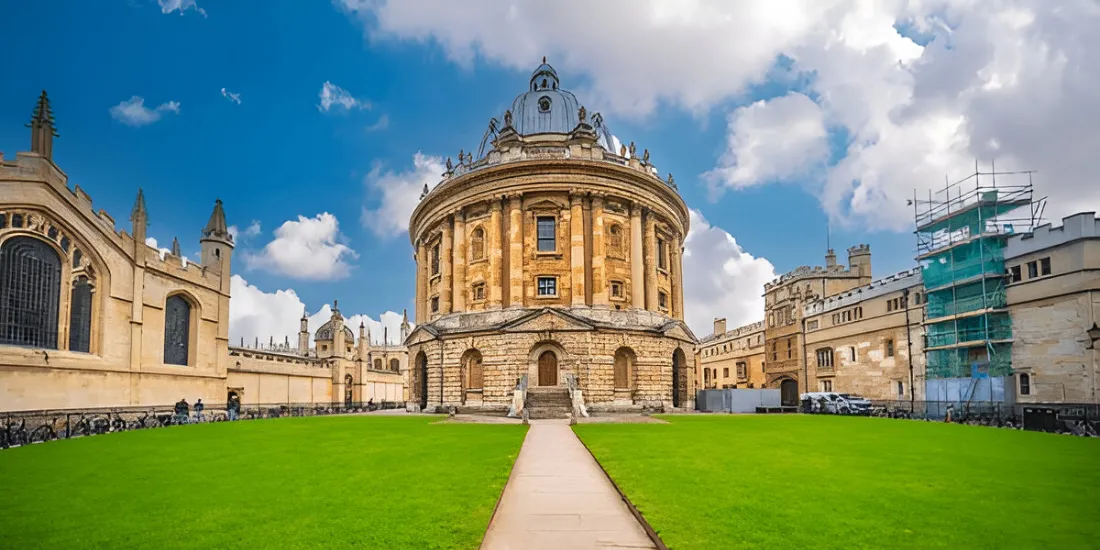
So, you’re thinking about whether you should study in Cambridge in 2025, right? Honestly, I was in your exact position not long ago, endlessly scrolling through uni websites and obsessing over Ivy-covered buildings. When I first arrived to study in Cambridge in 2025, I expected Hogwarts with Wi-Fi and somehow, that’s actually pretty accurate. Smells of rain on cobblestone, students riding bikes down narrow lanes, and the sound of chapel bells in the morning it all hits you at once. If you’ve been dreaming about it, maybe it’s time to make that move. Because, trust me, to study in Cambridge in 2025 is a completely unique (and unforgettable) experience.
Why You Should Study in Cambridge in 2025
Let’s be real when people think of Cambridge, they picture robes, rowing, and intense, sleepless nights in libraries. And yes, some of that’s true. However, there’s so much more to this city and its student life than most people realize.
First of all, Cambridge offers one of the oldest and most prestigious academic environments in the world. Even if you’re not applying to the University of Cambridge itself, the city is built around education. That means the local culture, events, facilities, and job opportunities are very student-focused.
In addition, Cambridge is surprisingly compact. You can walk or bike almost anywhere in 10–15 minutes. This not only saves money but also saves your sanity. Imagine finishing your lecture and grabbing a latte with friends by the River Cam without worrying about trains or traffic.
Most importantly, the international community is huge. Over 20% of students come from outside the UK, so you won’t feel out of place. I met people from Egypt, Brazil, and Japan all in my first week.
Top Universities to Study in Cambridge and Popular Courses
Although most people associate the city with the University of Cambridge, it’s not your only option. Depending on what and how you want to study, there are other great institutions here as well.
| University | Best For | Vibe | Tuition (International) |
|---|---|---|---|
| University of Cambridge | Law, STEM, Economics, History | Intense, historic, life-changing | £25,000–£65,000/year |
| Anglia Ruskin University (Cambridge Campus) | Marketing, Design, Healthcare, Psychology | Welcoming, practical, diverse | £13,200–£16,500/year |
| Cambridge Regional College | Vocational Skills, Hospitality, Business | Skills-based, flexible, budget-friendly | £9,000–£12,000/year |
| CSVPA (Cambridge School of Visual & Performing Arts) | Art, Fashion, Drama, Music | Creative, niche, studio-heavy | £15,000–£23,000/year |
While Cambridge Uni is world-famous, Anglia Ruskin has a great rep for modern, practical degrees and offers more support for international students who aren’t used to the British academic system. Meanwhile, CSVPA is ideal for creatives who thrive best with hands-on learning.
Cost of Living and Budget Tips for Students in Cambridge
Cambridge is lovely, but you’ll need to budget smartly it’s not the cheapest city in the UK. That being said, it is cheaper than London, and there are loads of student discounts if you know where to look.
| Expense | Average Monthly Cost |
|---|---|
| Rent | £550–£900 (shared or college housing) |
| Food & Groceries | £150–£200 |
| Transportation | £0–£30 (if you walk or bike) |
| Wi-Fi/Phone | £15–£30 |
| Social/Going Out | £80–£120 |
Smart Budget Tips:
- Cycling is your BFF: Most students bike everywhere. It’s free (after you buy it used).
- College meals save money: Especially at Cambridge Uni, where some college halls offer subsidized feasts.
- Libraries = free wifi + printing: Becoming friends with your librarian is not a bad idea.
- Don’t overbuy books: Most are available digitally or at the library. Wait until your lecturers really say you need it.
Scholarships and Financial Aid for Students Studying in Cambridge
Now let’s talk about the financial side. Studying abroad can get expensive, but Cambridge universities offer a lot of funding support if you apply early and wisely.
At the University of Cambridge:
- Gates Cambridge Scholarships – Full funding for master’s and PhDs (all nationalities).
- Cambridge International Scholarships – For high-achieving non-UK students.
- College-specific bursaries – Every college has its own form of support.
At Anglia Ruskin:
- International Merit Scholarship – Up to £2,000 per year off your tuition.
- Country-specific awards – Often automatic if you meet certain academic requirements.
National Options:
- Chevening Scholarship – Full postgrad funding from the UK government.
- GREAT Scholarship (by British Council) – Usually £10,000 towards tuition.
Key Advice:
- Start looking 9–12 months before your course starts.
- Be honest in your personal statements share your background and goals clearly.
- Save copies of everything essays, transcripts, certificates you’ll reuse them often.
How to Apply to Study in Cambridge: 5 Steps for International Students
Let’s break it down you don’t need to be a genius or work 24/7 to apply here. You just need to be organized.
1. Choose Your Course and University
Start now (October–November 2024). Check course modules, application formats, and whether interviews are required. If you’re applying to Cambridge Uni, you’ll also need to pick a college or submit an open application.
2. Prepare Your Documents
Around December 2024, gather essentials like:
- Transcripts
- Personal statement
- Recommendation Letters
- IELTS/TOEFL scores
- Portfolio (if needed)
3. Submit Your Application
January 2025:
- Use UCAS for undergraduate applications (all universities).
- Postgraduate apps go direct through the university website.
4. Attend Interviews (If Needed)
February–March 2025:
Especially important for Cambridge Uni. Practice thinking out loud as strange as it sounds, it helps.
5. Get Your Offer & Visa Sorted
April–July 2025: Once your offer comes through, you’ll receive a CAS (Confirmation of Acceptance for Studies), which you’ll need to apply for your visa.
Visa and Work Regulations for Students Studying in Cambridge
After your admission, the next step is getting into the UK legally (yay, visas). Here’s the lowdown.
To apply for a UK Student Visa:
You’ll need:
- Passport
- CAS from the university
- Proof of funds (£1,023/month for 9 months, outside London)
- English proficiency proof
- Healthcare surcharge payment
- Application fee (~£490)
Work while studying:
- You can work up to 20 hours/week during term time, and full-time during vacations.
- Internships or work placements may be part of your degree.
Post-Study Work:
After graduation, you can stay and work for 2 years (or 3 for PhDs) under the UK’s Graduate Route Visa. This gives you time to find a proper job or just explore your options.
Student Housing Options for Those Who Study in Cambridge
Where you live totally changes your uni experience. And Cambridge, while small, has some very different vibes depending on where you land.
College Accommodation
- Available mostly at the University of Cambridge.
- Practical, historic, and honestly freakin’ beautiful.
- Meals and bills often included. Proximity = perfection.
Mill Road
- Diverse, international, and vibey. Loads of restaurants and coffee shops.
- Cheap-ish rent and tonnes of students.
Chesterton
- Quieter and more residential.
- A good option for postgrads or anyone trying to avoid noise at 3am.
Riverside or Hills Road area
- A bit more expensive but super close to shops and Anglia Ruskin.
- Nice walking access to the city centre.
Daily Life, Food, and Student Culture While Studying in Cambridge
Here’s your average day as an international student in Cambridge (at least mine):
- Wake up to the sound of birds and distant chapel bells
- Grab a cappuccino and a croissant from Bould Brothers
- Dash to lectures (sometimes in a robe if you’re at Cambridge Uni)
- Lunch break along King’s Parade or at your college buttery
- Study at the library or chill at Hot Numbers Coffee
- Evening punting with your flatmates or college movie night
Where to Eat on a Budget:
- Aromi: Incredible Sicilian pizza. Not super cheap, but worth a treat.
- Nines Global Buffet: All-you-can-eat madness. Come hungry.
- Gardenia’s Falafel: This place has saved many broke students.
Internship and Career Opportunities After Studying in Cambridge
Cambridge is crawling with startups, research centres, public policy orgs, and creative industries.
Here’s what’s hot:
- Biotech: Especially with AstraZeneca in the city.
- AI & Computer Science: Many startups hire students part-time.
- Education & Publishing: Great for humanities grads.
- Creative Arts & Fashion: Especially if you’re at CSVPA.
Your university’s career service will help with resume reviews, interview practice, and internship leads. Use it it’s free and super helpful.
Short-Term Study Programs in Cambridge
You don’t need to commit to a full degree to experience life here. Options include:
- Cambridge University Summer Programs (3–6 weeks): Literature, Science, Philosophy, etc.
- Pre-sessional English courses
- Foundation Year at CRC: Great if you want a stepping stone into UK uni life.
Applying Timeline for Students Planning to Study in Cambridge in 2025
| Month | Action |
|---|---|
| Oct–Nov 2024 | Finalize shortlist of universities & courses |
| Dec 2024 | Prepare documents (SOP, references, proof of English) |
| Jan 2025 | UCAS & postgraduate deadlines |
| Feb–Mar 2025 | Interviews, if invited |
| Apr–May 2025 | Accept your place + apply for scholarships |
| June–July 2025 | Visa application, find housing, book flight |
| Aug–Sept 2025 | Get settled, register with GP, orientation begins |
FAQs About Studying in Cambridge for International Students
Not at all. Yes, it’s competitive especially if you’re applying to Cambridge University but they’re looking for curiosity, not perfection. Passion, effort, and a willingness to learn mean just as much as grades.
Absolutely. Over 20% of students in Cambridge are international, and there are tons of cultural societies, support services, and global events. You won’t feel like the odd one out I promise.
It’s not the cheapest place, but it’s definitely doable with smart budgeting. Biking instead of using transport, eating at college halls, and grabbing student discounts make a huge difference. Plus, scholarships help a lot.
Yes! With a UK Student Visa, you’re allowed to work up to 20 hours per week during term time, and full-time during holidays. Loads of students pick up part-time jobs or internships to gain experience (and earn some extra cash).
100%. Anglia Ruskin University and other schools in the city offer brilliant programs, great support for international students, and a more relaxed vibe. The Cambridge experience isn’t just about the name it’s about the city, the growth, and the journey.
First-Year Survival Checklist for Students in Cambridge
- Buy a decent second-hand bike
- Join at least one society (drama, chess, cooking whatever feels you)
- Say yes to a formal dinner it’s worth it
- Start budgeting from day one
- Visit the Botanical Gardens for peace-of-mind days
- Explore colleges even if you don’t study in them
- Back up your files (and your emails!)
- Learn some basic British slang
- Don’t stress about “fitting in” you’ll find your people
- Take it one week (or even one day) at a time
Final Thoughts
To study in Cambridge in 2025 is way more than just getting into a famous university. It’s about growth, connection, late-night library panics, laughing with your roommates over burnt pasta, and riding your bike home past buildings that are older than your entire country.
If your gut is telling you yes it’s probably right. Come join us. The cobbled streets are waiting.
And if you need a guide when you land, I’ll meet you for a coffee. First one’s on me.