
So, picture this-you’ve just jumped off a Greater Anglia train at Colchester Station, your suitcase thudding behind you while you try to make sense of Google Maps with 13% battery. The platform’s busy but not chaotic. There’s that clean-but-rainy British smell in the air-you know, wet leaves, Costa coffee, and kind of a countryside chill that hits different after a long flight.
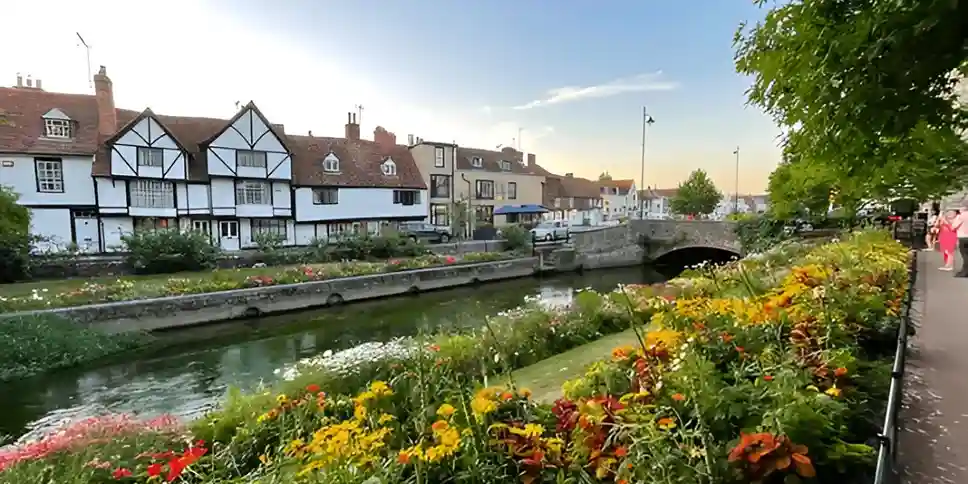
You’re tired, probably overdressed (or underdressed), but the fresh Essex air kicks in, and… yeah-it’s game time. As you roll out into town, you’ll pass this weird and wonderful mix of Roman ruins, super modern glass-fronted cafés, quirky bookstores, and about seven charity shops in one block (don’t knock them-you’ll find gems). The vibe? Chill, walkable, kinda artsy, very student-friendly.
And just like that, you’ve arrived. You’re here to study in Colchester, and whether you’re still deciding or already halfway packed, let me walk you through what you really need to know.
Why You Should Study in Colchester in 2025
Let’s be real. Colchester doesn’t get as much hype as London or Manchester-everyone knows that. But that’s exactly what makes it kind of perfect.
If I could go back and choose again? I’d still study in Colchester in a heartbeat. Here’s why:
- The University of Essex (main campus is in Colchester) consistently ranks high for student satisfaction and international diversity.
- Colchester is one of the oldest recorded towns in Britain-like, Roman Empire old-so history is literally everywhere.
- Way more affordable than the big cities, but still only an hour by train from London. Trains come often, and discounted tickets exist if you plan right.
- The town sits in a pretty part of Essex-close to the sea, loads of parks and peaceful trails (great for mid-assignment stress walks).
- In 2025, student support has gotten sharper-hybrid classes, wellbeing workshops, career coaching… they’re not just buzzwords anymore. Unis are finally listening.
Oh, and nearly 40% of students at the University of Essex are international-so you’re never going to feel like the odd one out.
Top Universities to Study in Colchester and Popular Courses
Alright, let’s break this down. Colchester isn’t London with its 20+ unis, but what you get here is quality, not quantity.
1. University of Essex (Colchester Campus)
This is where most international students in Colchester end up-and for good reason.
- Top Courses: International Relations, Human Rights Law, Economics, Computer Science, Psychology, Business, and Data Science
- Annual Tuition (2025): Around £15,000–£20,500, depending on the course
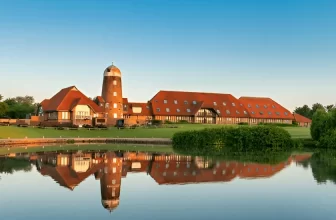
- Vibe: Big enough to feel like a proper uni environment, but not so huge that it’s overwhelming. One central campus, loads of green space, international AF. One week you’re at Diwali Night, next it’s an African heritage event. Seriously, there’s always something going on.
2. Colchester Institute
A solid pick for vocational and creative courses-think Art & Design, Music Production, Health & Social Care, and Engineering.
- Tuition: £10,500–£12,000 for most courses
- Smaller classes, very hands-on, direct career support
- If you’re planning short-term or foundation-level study, this is a good bet
Cost of Living and Budget Tips for Students in Colchester
Your bank account can breathe here, especially if you’re coming from a mega city.
Average Monthly Budget in Colchester
| Expense | Estimated Cost (GBP) |
| Rent (shared accommodation) | £400–£600 |
| Groceries | £100–£150 |
| Phone/WiFi | £20–£30 |
| Local transport | £30–£40 (or free if you love walking) |
| Eating out/takeaways | £40–£60 |
| Leisure (movies, gym, etc.) | £40–£70 |
| Total Monthly | £630–£950 |
Pro tips (aka mistakes I learned the hard way):
- Aldi > Tesco Express. ALWAYS.
- Get a 16–25 Railcard or student equivalent-you’ll save 1/3 on train travel. It pays for itself in like 2 trips.
- Grab lunch at the campus café after 2pm when they start doing discounts.
- Pre-drinks at home = £. Huge savings.
Scholarships and Financial Aid for Students Studying in Colchester
Look, tuition’s not cheap for international students, we all know that-so scholarships are a big deal.
At the University of Essex (2025):
- International Excellence Scholarship – Up to £5,000 reduction on tuition if your grades are strong.
- Africa, South Asia, and Latin America Regional Scholarships – often automatically applied if you’re eligible.
- Postgraduate Loyalty Discount – If you did your undergrad here and stay for postgrad (15% off your tuition).
General UK Scholarships:
- Chevening Scholarships: Fully funded (for Master’s only, competitive but worth it).
- Commonwealth Shared Scholarships: For students from eligible low/mid-income countries.
- GREAT Scholarships: Country-specific-check availability.
Scholarship Advice? Write a personal statement that’s not just “I want to study abroad because I’m passionate.” Nah-SHOW that passion. Your experience, your dream career, why Essex. Make it you.
How to Apply to Study in Colchester: 5 Steps for International Students
Here’s how it really plays out (not the over-complicated version).
Step 1: Pick Your Course
Start this by Oct–Nov 2024 at the latest. Go deep into the modules-not just the degree name.
Step 2: Prepare Your Documents
You’ll need:
- Passport
- Academic transcripts
- English test results (IELTS, TOEFL, or sometimes Duolingo is fine)
- Personal statement
- References (get them early, trust me)
Step 3: Submit Application
- For undergrads: Apply via UCAS
- For postgrads: Directly through the uni website
Best to apply by Jan–March 2025.
Step 4: Get Your Offer + Confirm
If you’re accepted, you’ll get a Conditional or Unconditional Offer. You’ll probably need to pay a deposit (~£2,000) to secure your place and trigger your CAS letter.
Step 5: Visa and Accommodation
Once your CAS comes in (usually ~June), apply for a Student visa, book your housing, and start packing.
Visa and Work Regulations for Students Studying in Colchester
With a UK Student visa in 2025, you can:
- Work up to 20 hours/week during term time
- Work full-time during official university holidays
- Apply for a Graduate Route visa after finishing your degree (this gives you 2 years to stay in the UK and work-no sponsorship needed)
- Bring dependents (if you’re doing a postgrad of at least 9 months at a certain level-check for details)
Visa Must-Knows:
- Proof of funds = at least £1,023/month for up to 9 months
- Start visa application around June–July once you’ve got your CAS
- You’ll likely need to pay: healthcare surcharge, visa application fee, and upload TB test results (if required from your country)
Student Housing Options for Those Who Study in Colchester
1. On-Campus Housing (Essex)
- Ensuite or shared flat styles
- Super social, easy walk to everything
- £130–£175/week
2. Private Student Accommodation
- Options like The Maltings or Student Castle
- Often a bit pricier but more modern
- Bills usually included
3. Private Flat or Shared House
- Good for upper-years or postgrads
- Can be cheaper if you’re splitting with friends
- £400–£600/month approx. but you manage utilities
4. Host Family (less common)
- More structure, often includes food
- Good for undergrads or those who want extra support
Housing tip: Look early, especially for September. Prices go up fast, and the good places fill up by July.
Daily Life, Food, and Student Culture While Studying in Colchester
Here’s where Colchester surprises most people-it’s not “boring” once you know where to look.
- Big student nights at Sub Zero (on campus), Coda, or Three Wise Monkeys
- Legit international food scene-Korean BBQ, Turkish wraps, Caribbean jerk chicken, vegan cafés. Go to South Street or Eld Lane
- Lazy Sunday? Brunch at Canteen, then a walk through Castle Park
- Quick shopping at Culver Square, then catch a £5 movie at the Curzon CineWorld
People here are friendly. Not buzzing like London, but perfect for building a close group and thriving without distractions every night.
Internship and Career Opportunities After Studying in Colchester
The University of Essex puts serious effort into employability (for real, not just on their website).
- Frontrunners Program: Paid campus internships you can do during term time
- Dedicated Essex CareerHub Portal
- Partnerships with companies across Essex, London, and international NGOs
- Entrepreneurship support for student startups (Essex Startups Hub)
The Graduate Visa Route gives you two solid years post-graduation, and with Colchester being close to London-it’s way easier to get interviews, internships, and network across both cities.
Short-Term Study Programs in Colchester
Just wanting a taste before committing to full undergrad or postgrad?
- International Foundation Year (if you’re not ready for full degree study yet)
- Pre-sessional English (8–12 weeks before main course starts)
- Summer schools in Business, Law, or Politics
- Short-term exchange options (if you’re coming via a partner uni)
Great way to dip your toes into UK study life.
Applying Timeline for Students Planning to Study in Colchester in 2025
| Timeframe | To-Do |
| Oct–Dec 2024 | Research and shortlist courses/unis |
| Jan–March 2025 | Apply via UCAS or uni website |
| April–May | Accept offer, start visa documents |
| May–June | Submit visa application, pay deposit |
| July–Aug | Book housing, flight, pack & prep |
| Sept 2025 | Arrive in Colchester, orientation week |
FAQs About Studying in Colchester for International Students
Not at all “too quiet”-it’s just the right kind of chill. Colchester’s lively in its own way: student bars, underground gigs, open mic nights, cute cafés, and pop-up food markets. Plus, if you’re craving the chaos, London’s only an hour away. You get the best of both worlds-fun when you want it, peace when you don’t.
You will not be the only one. Trust me. Nearly 40% of students at the University of Essex are international, and there are student societies for literally every culture, language, and vibe. I met people from five continents in my first seminar. So yeah, you’re not alone, and fitting in is way easier than you think.
Yes and yes. With a Student visa, you can work up to 20 hours a week. Loads of students get part-time jobs on campus, in local shops, restaurants, or even online gigs. It won’t make you rich, but it’s enough for coffees, new kicks, and the occasional trip to London without asking “can I afford this?”
How stunning Castle Park is in spring, and how fast you’ll learn to love meal deals (shoutout to Tesco’s £3 wonders). Oh-and that the university rabbits are real. They hop around campus like they own the place. It’s weirdly magical.
If you’re into huge crowds, overpriced rent, and commuting chaos, go big. But if you want a beautiful, historic, student-friendly town with actual community vibes, lower costs, and a super diverse student body? Colchester’s where it’s at in 2025. Add good career support, green spaces, and a buzzing cultural scene-and you’re good to go.
First-Year Survival Checklist for Students in Colchester
- Pack layers. Weather changes fast.
- Print out ALL visa and uni documents before flying.
- Download Trainline, UniDays, and Uber apps.
- Get a UK SIM card-makes life so much easier.
- Join one student society ASAP-even if it’s random.
- Keep snacks and emergency noodle stash for late-night study sessions.
- Get to know your professors-uni is better when they know your name.
- Budget weekly (not monthly).
- Don’t be afraid to feel homesick. Everyone does. It passes.
Final Thoughts…
If you decide to study in Colchester in 2025, know this-it’s not just about getting a degree. It’s about building your life, finding your people, trying weird food, messing up, growing, and maybe discovering that the quiet little city you hadn’t heard of before? It suits you more than you expected.
I’ve been there-figuring it all out one soggy umbrella and cup of instant noodles at a time. But Colchester? It’s a city that stays with you, in the very best way.
Let me know when you land. I know a shortcut to campus and where to get bubble tea for less than £4.
Cheers,
Your (slightly older, more sleep-deprived) student mentor.