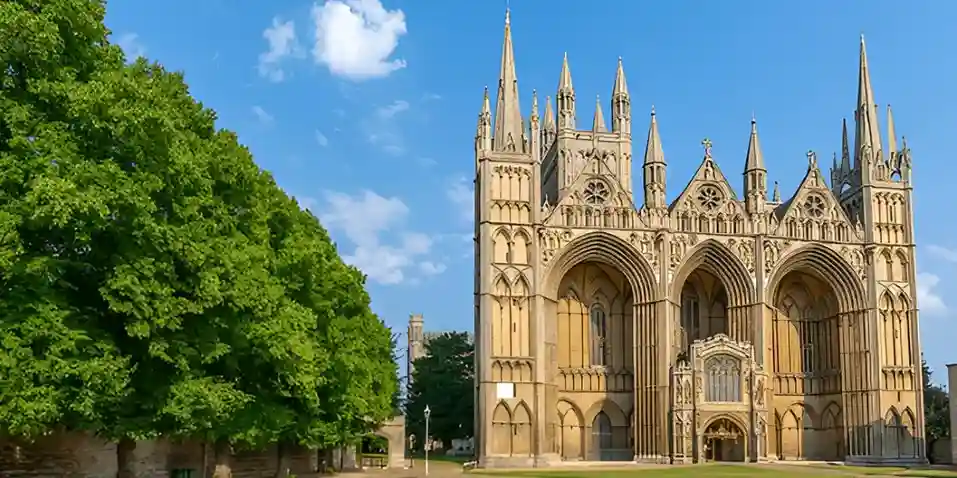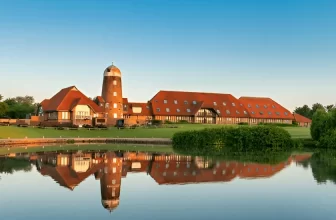
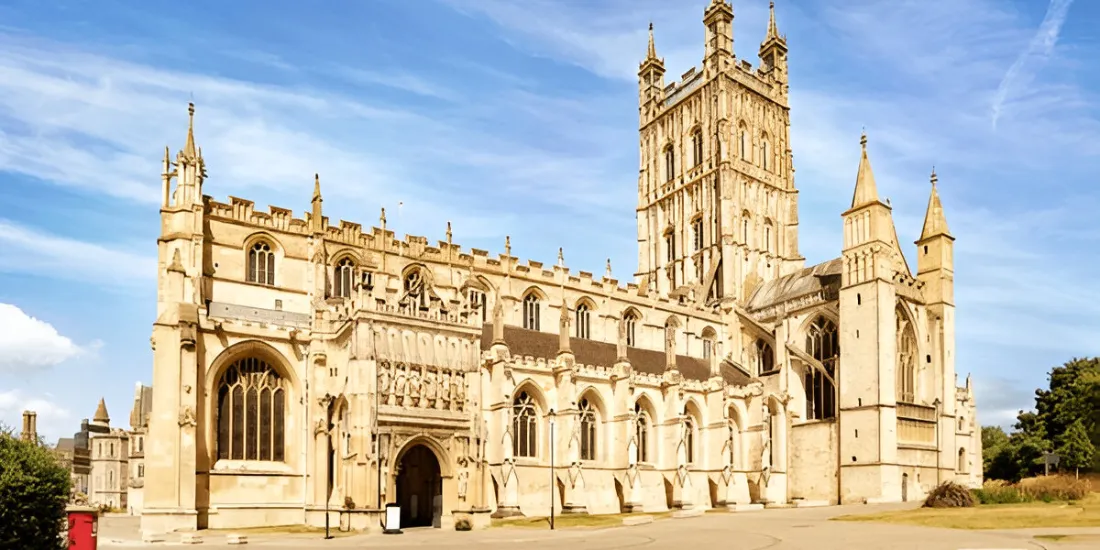
Let’s be honest-Gloucester might not be the first place that jumps out when you think about studying abroad in the UK. It’s not one of those cities splashed all over Instagram like London or Edinburgh. But that’s exactly why it’s actually an amazing place to study-especially in 2025.
One of the big reasons I chose Gloucester over larger cities is that it’s got a kind of peacefulness you don’t often find in student towns. Think green spaces, charming little shops, and the kind of friendly community that actually says good morning when you walk to class. And the kicker? It’s still close to places like Bristol, Birmingham, and London.
In 2025, the city’s becoming even more popular with international students thanks to an increasing focus on practical courses, employability, and a genuinely supportive study environment. Oh, and if you love nature, it’s basically gateway central to the Cotswolds-aka walking-holiday heaven.
Top Universities to Study in Gloucester and Popular Courses
The main university you’ll be looking at is:
University of Gloucestershire
- Campuses: Oxstalls (Gloucester), Park & Francis Close Hall (Cheltenham)
- Popular Courses: Cybersecurity, Business and Management, Sports Therapy, Social Work, Creative Writing, Film Production, Education
- What it’s really like: Small class sizes, approachable lecturers, and campus setups that feel less like massive complexes and more like community spaces. You won’t get “lost in the crowd” vibes here.
One thing I personally loved was how industry-focused the learning is. A lot of my modules had real-world projects baked in, not just lectures and exams.
There’s also Hartpury University just outside Gloucester, which is famous for:
- Courses: Sports Science, Equine Studies, Agriculture, Animal Welfare
- Very hands-on and career driven-like, you’ll literally be studying next to real vet clinics or sports facilities.
So whether you’re looking for something life sciences-related or looking to dive into digital fields or education, Gloucester has solid options.
Cost of Living and Budget Tips for Students in Gloucester
This is where Gloucester really stands out. You’re not paying London prices, and your money goes so much further.
Average Monthly Expenses (2025)
| Category | Estimated Cost (GBP) |
| Rent (shared) | £450–£600 |
| Utilities/Wi-Fi | £70–£90 |
| Groceries | £150–£200 |
| Transport (bus) | £30–£50 |
| Social/Leisure | £100–£150 |
| Phone/Data | £20–£30 |
It’s possible to live comfortably on a £800–£950 monthly budget, depending on your lifestyle.
Budget Tips:
- Get a Stagecoach student bus pass-super helpful if you’re traveling between campuses.
- Shop at Aldi or Lidl, not the more ‘premium’ supermarkets.
- Cook meals at home. Eating out’s tempting, but those Deliveroo bills add up fast.
- Buy second-hand books or use digital copies from the uni library.
Scholarships and Financial Aid for Students Studying in Gloucester
Nobody wants to graduate drowning in debt, let’s be real. Good news: the University of Gloucestershire and Hartpury University both offer opportunities to ease the financial burden.
University of Gloucestershire Scholarships:
- International Merit Scholarships – Up to £4,000, based on academic excellence
- Sports Scholarships – For high-level athletes
- Alumni Discounts – If you stay on for postgrad
Other Options:
- Chevening Scholarships (for postgraduates from certain countries)
- Commonwealth Shared Scholarships
- British Council GREAT Scholarships
Pro tip: Apply early-these have deadlines way before course applications close. And put real effort into your personal statement. Like, proofread it at least three times.
How to Apply to Study in Gloucester: 5 Steps for International Students
Here’s the short version of the process I went through:
Step 1: Research and shortlist (Oct-Nov 2024)
Look into courses, entry requirements, and decide what works with your background.
Step 2: Complete your application (Dec 2024–Jan 2025)
- Undergrad? Use UCAS
- Postgrad? Apply directly through the university’s website
Step 3: Submit documents (Jan–March 2025)
You’ll need:
- Academic records
- Proof of English (IELTS/TOEFL/Duolingo etc.)
- Passport
- Personal statement
Step 4: Accept your offer + prepare your visa (April–May)
After receiving your Confirmation of Acceptance for Studies (CAS), apply for your student visa.
Step 5: Plan your move (June–August)
Find housing, book flights, schedule airport pickup if needed. Then it’s go time.
Visa and Work Regulations for Students Studying in Gloucester
Once you’ve accepted your offer, the university helps with your visa letter (CAS), and from there you apply online. It’s not the shortest form, but it’s straightforward.
Student Visa Checklist:
- Passport
- CAS letter
- Proof of funds (tuition + approx. £9,207 for living)
- IELTS/TOEFL proof
- TB test clearance (depending on your country)
Work Rights:
- 20 hours per week during term-time
- Full-time during holidays
- After graduating, you can stay in the UK for 2 years (Graduate Route visa), or 3 years for PhD grads.
Many students in Gloucester find part-time work in shops, cafes, libraries, or even on campus roles like student ambassadors.
Student Housing Options for Those Who Study in Gloucester
Housing’s one of those things-you can’t wing it. Gloucester offers a few types of living setups:
1. University Halls (on-campus or managed)
- Includes: Bills, furniture, fast Wi-Fi, sometimes catered meals
- Price: £520–£680/month
- Good for first-year students who want an easy start and to meet people
2. Private Student Housing
- Shared houses or purpose-built flats (in places like Quayside or Kingsholm)
- Price: £400–£550/month
- Bills may not be included, so check the fine print
3. Homestays or Lodgings
- Staying with a local family – great for language immersion
- Includes meals
- Not as private, but more “at-home” feeling
Best areas to live in Gloucester as a student:
- City Centre: Walkable, near shops, restaurants
- Longlevens: Quiet, family-friendly, near Oxstalls Campus
- Quedgeley: More suburban/cheaper but longer commute
Daily Life, Food, and Student Culture While Studying in Gloucester
Let’s get into what day-to-day life is really like-because lectures are only half the story.
Here’s the rhythm of a typical study day:
- Morning class at Oxstalls
- Lunch from Greggs or the campus café
- Study session in the library
- Coffee at Café René or coach on break
- And nights? Netflix study induldge or casual nights at the SU bar
Food scene?
Way more diverse than you’d expect for a small city. From British pub classics to Turkish kebabs, Indian curries, Chinese buffets, Jamaican takeaways, and vegan cafés – you’ll never go hungry.
Gloucester also has a laid-back nightlife-pub quizzes, live music, and club nights if you want them (but not too in-your-face if you don’t). And Cheltenham is right next door if you’re craving more upscale vibes.
Internship and Career Opportunities After Studying in Gloucester
Alright, everybody says they’re “career-focused” these days-but Gloucester’s actually putting in the work.
Where you can find opportunities:
- Cybersecurity: Thanks to Cheltenham being a top UK cyber hub
- Sport & Health: Especially with Hartpury’s and Gloucestershire’s top-tier sports programs
- Education: Loads of local schools and SEN centres offer placements
- Business, Film, and Creative Media: Through real-world projects, TV studios, and local agencies
The university has a dedicated careers service that helped me polish my CV and set up interviews. They also host career fairs and employer networking events, even for international students with visa restrictions.
Short-Term Study Programs in Gloucester
If you’re not ready for a full degree or just testing the waters:
Options include:
- Foundation or pathway programs: Great for students who need to sharpen English or bridge the academic gap
- Summer Schools: 2-8 weeks, hands-on learning and UK culture immersion
- Study abroad terms: If you’re transferring from a partner university
- Short postgrad certificates/diplomas in business, teaching, or coaching
These give you flexibility and can lead straight into longer courses if you choose to stay.
Applying Timeline for Students Planning to Study in Gloucester in 2025
Here’s your cheat sheet for deadlines:
| Month | What to Do |
| Oct–Nov 2024 | Research courses, prep documents |
| Dec 2024 | Apply through UCAS or university site |
| Jan–Feb 2025 | Submit supporting documents, IELTS etc |
| Mar–Apr | Receive and accept offers |
| May–June | Visa application + housing setup |
| July–Aug | Book flight, prep documents, get packing |
| Sept 2025 | Arrive, attend orientation + start term |
FAQs About Studying in Gloucester for International Students
Yes. If you choose to study in Gloucester, you’ll find a friendly, affordable, and welcoming city that mixes history with a relaxed pace of life. It’s smaller than nearby Bristol or Birmingham, which makes it perfect if you prefer a close-knit student community.
The main one is the University of Gloucestershire, with campuses in Gloucester and nearby Cheltenham. It’s well known for business, media, sports, education, and creative arts programs
Not at all. Compared to bigger UK cities, Gloucester is budget-friendly. Expect to spend around £700–£950 per month on accommodation, food, and transport.
Yes. If you’re on a student visa, you can usually work up to 20 hours per week during term time and full-time during holidays. There are part-time opportunities in retail, hospitality, and campus jobs.
It’s cozy and community-driven. You’ll find riverside cafes, historic landmarks, and easy weekend getaways to the Cotswolds. The nearby Cheltenham campus also adds more nightlife and festivals.
First-Year Survival Checklist for Students in Gloucester
Here’s your heads-up list of student survival essentials:
- Buy a warm coat and umbrella
- Apply for a UK SIM card with student plan
- Set up a UK bank account (Monzo and Starling are student-friendly)
- Get a railcard (16–25 or 26–30 depending on your age)
- Join a society or club early – helps you make friends
- Learn to cook 2–3 basic meals
- Say yes to random student events-you’ll meet people
- Download Citymapper and UniDays apps
- Keep digital backups of ALL your important docs
- Most importantly, don’t be afraid to ask for help
Thinking about whether Gloucester in 2025 is for you? If you’re after a university experience that’s real, manageable, and seriously underrated-Gloucester could be your perfect fit.
And hey, if you do come, I’ll be around somewhere. Probably in a café with headphones in, pretending to work on an essay and actually scrolling memes.