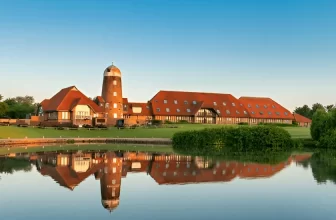

You land in Plymouth with two suitcases and the nerves of someone who just left everything familiar behind. You step off the train and the ocean hits you first-salty, fresh, and kind of comforting. The air smells like fish and chips (slightly too greasy but weirdly perfect), and you can already hear seagulls shouting at no one in particular. Cafés are open, locals are friendly, and students are sprawled out with laptops by the marina. Right then, you realise you’re not just here for a vacation-you’ve come to study in Plymouth. And honestly? More people should choose to study in Plymouth, especially in 2025. You’ll see it soon enough. If there’s ever been a year to study in Plymouth, it’s now.
Why You Should Study in Plymouth in 2025
Let’s be real-when people talk about studying in the UK, you hear “London” so much it starts to lose meaning. But here’s what they don’t tell you: Plymouth gives you everything you need as a student but without the high price tag or the constant crowd noise.
Why pick Plymouth in 2025?
- It’s one of the safest and most affordable student cities in the UK.
- You’ll get real access to nature: beaches, moors, and trails just a bus ride away.
- With world-ranking marine science, sustainability, and engineering programs, you’re not just learning in theory-you’re applying it.
- Over 20,000 students live here. That means vibrant student life, lots of roommates-turned-best-friends, and no shortage of events.
- Oh, and the people here? Super chill. Maybe it’s the sea air.
Whether you want world-class education or a quieter escape to learn and grow, trust me… it’s a great choice.
Top Universities to Study in Plymouth and Popular Courses
Here’s the thing-Plymouth isn’t packed with universities, but the one it does have is honestly impressive. And there are other strong options nearby too.
University of Plymouth
- Public research university
- Ocean views on campus? Yep. That’s a thing.
- Known for sustainability, marine science, health, and innovative technology.
Popular Courses:
| Subject | Highlights |
| Marine Biology & Ocean Science | Fieldwork, research cruises, oceans on your doorstep |
| Engineering (Civil, Mechanical, Marine) | Strong industry focus, placements, and labs |
| Business & Management | Entrepreneur support + real-world projects |
| Nursing & Healthcare | Partnerships with NHS, hands-on experience |
| Environmental Science & Sustainability | Top-tier research, future-focused curriculum |
| Creative Writing & Literature | Small classes, strong faculty, close to literary history |
“Student life is honestly better than I expected,” is what I heard over and over from new flatmates. I pretty much agree now.
Other options nearby:
- Plymouth Marjon University – Great for education, physio, and sports therapy.
- Exeter University (Peninsula campus) – For med and biomedical sciences, just an hour away.
Cost of Living and Budget Tips for Students in Plymouth
Plymouth is hands-down one of the best cities in the UK if you’re watching your wallet.
Average Monthly Breakdown (2025)
| Item | Cost Estimate (GBP) |
| Rent (shared housing) | £350–£500 |
| Groceries & Essentials | £120–£150 |
| Transport (student pass) | £30 |
| Mobile/Wi-Fi | £25–£40 |
| Eating Out/Social Life | £60–£100 |
| Total Estimated | £600 – £800/month |
Budget Tips You’ll Thank Me for Later
- Cook often-shared meals bring people together and save serious cash.
- Use the Student Saver Bus Card from CityBus and Stagecoach.
- Shop at Aldi and the market near Cornwall Street.
- Get the UNiDAYS and TOTUM app for discounts on everything.
You’ll quickly learn to budget, and it won’t mean missing out.
Scholarships and Financial Aid for Students Studying in Plymouth
Scholarships won’t land in your lap, but if you look for them early, they’re totally doable.
University of Plymouth Scholarships (2025):
| Scholarship Name | What You Get | Who Can Apply |
| International Undergraduate Scholarship | £1,500/year off tuition | Based on academic ability |
| GREAT Scholarships (with British Council) | Up to £10,000 | Postgraduate, selected countries |
| Vice-Chancellor’s Scholarship | £2,000 discount | Exceptional academic background |
Tips for Getting Scholarship Support:
- Submit applications before May–June-they close early.
- Tailor your personal statement to show growth, not perfection.
- Ask your referees early, and remind them (nicely) often.
- Check if your home country offers bursaries for outbound students.
How to Apply to Study in Plymouth: 5 Steps for International Students
Applying from abroad feels like a puzzle, but here’s how to make sense of it.
Step-by-Step:
- Research the right course at Plymouth Uni or Marjon (Jan–March 2025)
- Apply via UCAS or directly through the university website.
- Submit supporting documents:
- Academic transcripts
- Reference letters
- Personal statement
- IELTS/TOEFL/PTE scores
- Passport scan
- Receive and accept your Conditional/Unconditional Offer
- Apply for your Student Visa with your CAS letter from the university
Plan ahead, realistically. Don’t leave everything until August-it just gets… chaotic.
Visa and Work Regulations for Students Studying in Plymouth in 2025
For most of us, getting a UK Student Visa is required. Stuff takes time, so start the paperwork as soon as your offer is confirmed.
What You’ll Need:
- CAS (Confirmation of Acceptance for Studies)
- Proof of tuition and living costs (£1,023/month for 9 months)
- Paid visa fee (~£490)
- Immigration Health Surcharge (~£776/year)
- English language requirements
Can I work during my studies?
Yes-you can work:
- 20 hours/week during term time
- Full time during holidays
- Typical student jobs: café, campus assistant, tutoring, delivery
Pro tip: Plymouth has student recruitment services within the uni itself. Use them.
Student Housing Options for Those Who Study in Plymouth
Housing can change your whole experience. Luckily, Plymouth has options-and they’re affordable.
| Area | Vibe | Pros | Cons |
| City Centre | Close to everything | Walking distance to campus | Slightly louder |
| Mutley | Student-heavy, lively | Cheap food, fun pubs | Can be party-central |
| Greenbank | Quieter, residential | Close to nature, peaceful | Fewer nightlife spots |
| On-campus halls | Managed by uni | Bills included, social | More structured/less privacy |
Book early. Honestly. Good flats go fast by July.
Daily Life, Food, and Student Culture While Studying in Plymouth
So what’s it really like?
A typical week might look like:
- Mornings by the Barbican harbour, coffee in hand
- Afternoons in Drake Circus (yes, we all window-shop there)
- Late nights in the library during deadlines-or Taco Tuesdays
- Sea swimming clubs, open-mic poetry, football tournaments, charity walks
Food tip? Try Las Iguanas happy hours, Zuzimo!, or No Whey! (allergen-friendly café that slaps). Plus, there’s halal, vegan, gluten-free-you name it.
And everyone’s welcome. Seriously. Whatever your vibe is, you’ll meet people who match it.
Internship and Career Opportunities After Studying in Plymouth
Worried about what’s next? Fair.
But here’s what I’ve seen:
- Engineering, marine, environmental, and healthcare grads from Plymouth are in high demand.
- There’s a Career Hub at uni that helps with CVs, LinkedIn, interview prep, and placements.
- You can stay back under the Graduate Route Visa (2 years post-study to work).
Internships during your course? Totally possible. Just ask-some profs even recommend their students to industry contacts directly.
Short-Term Study Programs in Plymouth
Not into a full multi-year degree yet? Try:
- Summer Schools in environmental science, business leadership, or EAP (English for Academic Purposes)
- Semester/Year Exchanges via your home uni
- Short courses at Plymouth College of Art or Marjon
These are great for dipping your toes into student life in the UK.
Applying Timeline for Students Planning to Study in Plymouth in 2025
| Month | What to Do |
| Jan–Feb | Research courses, shortlist unis |
| Mar–Apr | Start applications + prep statements |
| May–June | Accept offers, apply for scholarships |
| June–July | Sort out housing, get visa documents ready |
| Aug | Confirm flights, pack, say goodbyes |
| Sept | Fly in, attend orientation, meet your crew |
Comparison: Public vs Private Universities in Plymouth
| Feature | Public (e.g., Plymouth Uni) | Private (Very limited in Plymouth) |
| Tuition (UG int’l) | £14,000–£17,500/year | N/A |
| Class Size | Small to mid-sized lectures | N/A |
| Prestige | Strong regional/global rankings | N/A |
| Support Services | Full-time student support | N/A |
Spoiler: Public does the job, and really well.
FAQs About Studying in Plymouth for International Students
Plymouth is a great choice if you want top-quality education and a good lifestyle without spending a fortune. When you study in Plymouth, you get real access to hands-on learning, modern facilities, and a welcoming student community. It’s also one of the most affordable cities in the UK, which helps when you’re budgeting as an international student. The city’s location by the sea, surrounded by natural beauty, makes it a peaceful and inspiring place to learn.
At the University of Plymouth, you can study a wide range of subjects. Some of the most popular areas include Marine Biology, Engineering, Nursing, Environmental Science, Business Management, Computer Science, and Creative Arts. The university is known for its focus on research and real-world experience, so many courses offer placements or projects with local industries.
Yes, definitely. Plymouth is a safe, affordable, and student-friendly city. It has everything students need-libraries, nightlife, nature, and a welcoming community. You’ll find lots of international students here, and it’s easy to make friends and settle in quickly. Plus, there’s free access to beautiful places like Dartmoor and the sea.
Yes, Plymouth is an excellent place for students, especially if you prefer a quieter, more affordable lifestyle than bigger cities like London or Manchester. It combines strong academics with a laid-back coastal vibe.
People choose to study English because it helps build strong communication, writing, and critical thinking skills, which are useful in many careers. At university, English also explores culture, history, literature, and language, giving students a deeper understanding of the world and how we express ideas.
First-Year Survival Checklist for Students in Plymouth
- Buy waterproof shoes (not joking)
- Attend fresher fairs-even the awkward ones
- Register for a GP near your postcode
- Set up a UK bank account (Monzo is easiest)
- Budget a weekend trip to Cornwall-it’s stunning
- Learn to cook ONE comfort meal from home
- Download CityBus app for live buses
- Sign up for library card (use it early)
- Keep a hoodie in your bag at all times
- Join at least one random society-they lead to the best surprises
Final Thoughts
So-should you study in Plymouth in 2025?
Short answer? Yes. Long answer? Hell yes.
You’re not just picking a university. You’re picking a lifestyle, a friend group, late-night study sessions with too much coffee, sea breeze walks after class, honest moments of loneliness, and amazing ones of growth.
You won’t just get a degree-you’ll find a piece of yourself you didn’t expect to.
And Plymouth’s the kind of place that makes that happen.