
You step off the train at St. Albans City Station after a slightly chaotic (but exciting) plane ride and a bleary-eyed journey from Heathrow. It’s early autumn, so there’s a crisp bite in the air, but the sun’s somehow still clinging to summer. First thing you notice? The smell-freshly baked pastries from Gail’s Bakery mixing with that earthy scent you get just after a light drizzle (it drizzles a lot, just a heads-up). Welcome to Study in St. Albans, where history, charm, and student life blend into something quietly special.
There are people everywhere – students with overstuffed tote bags grabbing coffee, retirees in tweed coats feeding pigeons in the park, and a painfully stylish group of teens filming a dance video outside the cathedral. Honestly? It’s weirdly picturesque in a “wait, am I in a BBC drama?” kind of way.
Now, imagine me – your slightly older (and maybe too caffeinated) unofficial big sibling – sitting across from you at a tiny table by the window, latte in hand, giving you the full lowdown on what it’s really like to study in St. Albans in 2025. Not some shiny handout, not a brochure loaded with buzzwords. Just the truth.
Let’s get into it.
Why Study in St. Albans in 2025?
So, why pick St. Albans, right? It’s not as flashy as London or Manchester, I’ll give you that. But that’s part of the magic.
First of all – location, location, location. You’re just 20 minutes from Central London by train. That means you get the best of both worlds: the calm, green, historic charm of a cathedral city and the chaos (and opportunities) of one of the biggest cities on Earth. For international students? That’s gold.
Plus, the town itself is ridiculously student-friendly. It’s small enough to feel like home, but busy enough that you won’t get bored. And in 2025, there’s been even more investment in student housing and cultural programs because student numbers have grown – especially from China, India, the Middle East, and mainland Europe. You’ll meet people from all over the place. I met a flatmate from Brazil, a seminar buddy from Ghana, and a lab partner from Sweden – all in my first semester.
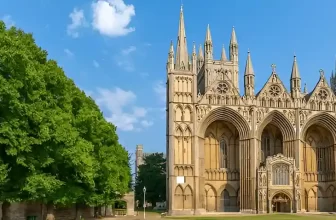
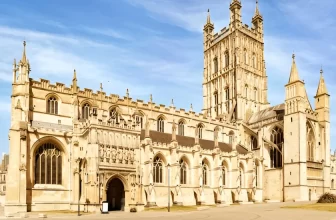
And let’s not forget the history. It’s everywhere – Roman ruins, medieval pubs, and yep, that massive cathedral you’ll probably walk past on your way to class.
Top Universities to Study in St. Albans and Popular Courses
Now, technically, St. Albans doesn’t have a massive university in the city. But stay with me – because that’s actually a good thing.
Most students who choose to study in St. Albans either attend a nearby uni and live in St. Albans for the chilled vibes, or study in St. Albans through satellite campuses or partner programs. Here are your real options:
1. University of Hertfordshire (Hatfield – 15 mins away)
- Best for: Engineering, Computer Science, Business
- Student vibe: Very diverse, big international population, large campus
- Honest take: Super active student union, but you need to take initiative to join stuff.
2. University of Bedfordshire (Luton – 25 mins by train)
- Best for: Media, Education, Nursing
- Student vibe: A bit more commuter-heavy, but solid programs
- Honest take: Underrated. Great value and career support, especially for postgrad students.
3. Middlesex University (London – 30 mins)
- Best for: Creative Arts, Psychology, Law
- Student vibe: Creative, inclusive, tons of societies
- Honest take: Campus is a bit urban, but great facilities and support for international students.
4. University College London (UCL), Imperial, etc.
- Best for: Well… everything. You know them.
- Student vibe: Fast-paced, lots of pressure, but world-class equipment/profs.
- Honest take: You’ll probably live in London – but still, some students choose St. Albans for the peace and cheaper rent (we’ll get to that).
5. Oaklands College (St. Albans campus)
- Best for: Foundation courses, Access to Uni, Vocational programs
- Student vibe: Chill, close-knit. A mix of UK and international.
- Honest take: Great starting point if you’re easing into UK education before a full bachelor’s degree.
Cost of Living & Tuition in 2025 (a.k.a. Budget Real Talk)
St. Albans is cheaper than London but not cheap-cheap. Think middle ground. Let me break it down.
| Expense | Monthly Average (GBP) |
| Rent (shared flat) | £500–£750 |
| Groceries | £150–£200 |
| Transport (student railcard) | £100–£150 |
| Eating out occasionally | £60–£100 |
| Phone + Internet | £30 |
| Gym/Societies | £15–£40 |
Budget tip: Get the 16–25 railcard (yes, even if you’re 26). It saves around a third on travel, and if you’re commuting or exploring the UK on weekends – which you should – it’s a lifesaver.
Tuition fees? For international students, expect:
- Undergrad: £13,000–£18,000 per year
- Postgrad/Masters: £14,000–£22,000 per year
It’s a lot, I know. But…
Scholarships & Financial Aid for 2025
You’re not totally on your own here. A few places to look:
Chevening Scholarships
- For master’s students from eligible countries. Full funding.
- Super competitive but life-changing. (Start prep early – like now.)
Commonwealth Scholarships
- For citizens of Commonwealth countries (India, Pakistan, Nigeria, etc.)
- Often covers tuition plus living.
University-Specific Scholarships
- University of Hertfordshire: Chancellor’s International Scholarship (£1k–£4k reduction)
- Middlesex: International Merit Awards (varies)
- UCL: UCL Global Undergraduate Scholarship (full or partial)
Application tip: Letters of recommendation make a BIG difference. Ask your teachers early and remind them gently (and maybe bring them a snack).
How to Apply: 5-Step Guide
For Undergrad Applicants:
- October–December 2024: Shortlist universities and courses
- January 2025: Apply via UCAS (Deadline: typically January 31)
- February–April: Interview and offers roll in
- May 2025: Accept offers, do your visa application
- August–September 2025: Move, register, start fresh
For Postgrad Students:
- Applications usually go directly to the university
- Deadlines vary – some close in March, others stay open until July
Visa & Work Rules for International Students in 2025
Visa type: Student Route Visa (Tier 4 replacement)
You’ll need:
- CAS Letter (Confirmation of Acceptance)
- Proof of funds (around £1,334/month of living costs)
- English language qualification (IELTS, TOEFL, etc.)
Work rules:
- Up to 20 hours per week in term time
- Full-time during holidays
- After graduation: 2-year post-study work visa (called “Graduate Route”)
I worked in a little bookstore near the park for some extra cash – low hours, chill vibe, and free coffee. Win-win.
Where Students Usually Live in and Around St. Albans
Here’s the lowdown on popular areas:
Fleetville
- Pros: Walkable, has shops and cafes, well-connected
- Cons: Can get competitive and a bit pricey
Verulam Estate
- Pros: Peaceful, lots of green space
- Cons: Less going on at night
Hatfield
- Pros: Close to Uni of Hertfordshire, more student flats
- Cons: Not as pretty, and a little further from central St. Albans
Zones 4–5 London (e.g. North London)
- Pros: Job access, nightlife, easy transport
- Cons: Higher rent and travel time
Student Life, Food Culture, and Real-Life Vibes
St. Albans is like… a Pinterest board that actually came to life.
- Weekly street markets packed with food stalls, vintage finds, and live music
- Verulamium Park for study picnics, walks, or absolutely nothing
- The Odyssey cinema – old-school and gorgeous inside, great for date nights or lazy Sundays
- Good food? Yes. Pho, Turkish wraps, Indian curries, vegan cafes… it’s not just bangers and mash
And honestly? You will start drinking tea five times a day. Don’t fight it.
Internship & Career Opportunities After Graduation
You’ve got serious options here:
- Local roles in education, healthcare, biotech
- London is packed with internships – finance, marketing, software, legal, you name it
- Careers services at UCL, Herts, and even Oaklands are surprisingly useful. Use them.
Pro tip: Start networking early. Even chatting with professors can lead you to something unexpected.
Short-Term Study Abroad Options
Want to mix it up?
- UK summer schools – UCL, LSE, and King’s College run great short-term programs
- EU exchange programs (if your uni offers Turing Scheme or Erasmus)
- Oaklands and Herts have short-term business or language trips – ask early!
Application Timeline for 2025 (Bookmark This)
| Month | What You Should Be Doing |
| Oct–Dec 2024 | Research unis, draft personal statements |
| Jan 2025 | UCAS deadline for undergrad applicants |
| Feb–Mar 2025 | Hear back, interview prep |
| Apr–May 2025 | Accept offers, apply for scholarship or visa |
| June–July 2025 | Secure accommodation, pack your life |
| August 2025 | Fly here, explore, shop at Primark |
| September 2025 | Orientation week and classes begin |
Public vs Private Universities in the UK
| Feature | Public Uni | Private College |
| Tuition Fees | £13k–£18k/year | £10k–£25k/year |
| Class Sizes | Large, lecture-style | Small, more support |
| Campus & Resources | Big libraries, sports etc | Limited but focused |
| Prestige | Usually higher | Varies |
| Visa Support | Yes (licensed institutions only) | Yes |
Frequently Asked Questions
St. Albans is strategically located near prestigious institutions such as University College London (UCL) and King’s College London, both of which are among the top universities in the UK.
Students can find specialized programs in fields like digital media, entrepreneurship, and sustainable design at various colleges and institutions in St. Albans and nearby areas.
The cost of living in St. Albans is generally lower than in London, with average rent for a one-bedroom apartment being around £900 compared to £1,100 in London, allowing students to save on housing and daily expenses.
Universities in St. Albans offer comprehensive support services, including academic counseling, career guidance, mental health support, and initiatives specifically designed for international students.
Students have access to a thriving local economy with job opportunities in sectors like retail and hospitality, as well as easy access to London’s dynamic job market for internships and part-time positions.
St. Albans boasts a rich historical background with landmarks such as the St. Albans Cathedral and Roman ruins, alongside a vibrant community that celebrates cultural events like Diwali and Holi.
Students can choose from various accommodation types, including university-affiliated housing, shared rentals, private student halls, and homestays with local families.
St. Albans has excellent transportation links, with frequent train services to London taking about 20 minutes, making it convenient for students to travel between the two cities.
Final Thoughts + First-Year Mentor Tips
You got this. Seriously. If you’ve read this far, you’re already more prepared than I was.
First-Year Checklist
- Bring plug adapters (UK outlets are weird for most people)
- Budget for cold-weather clothes – layers are everything
- Keep digital and paper copies of all your documents
- Download: Citymapper, Monzo, Deliveroo, UniDays
- Join one society-even if it’s random like fencing or anime
Last Advice
Say yes more than no. Talk to people at the bus stop. Go to that awkward icebreaker event-because someone else is feeling just as awkward. And when in doubt, message that weird, older student who wrote a blog online and told you it’d be okay.
You’re about to start a wild, sometimes overwhelming, but totally worthwhile chapter of your life in a beautiful, slightly quirky little city.
I’m rooting for you. Always.