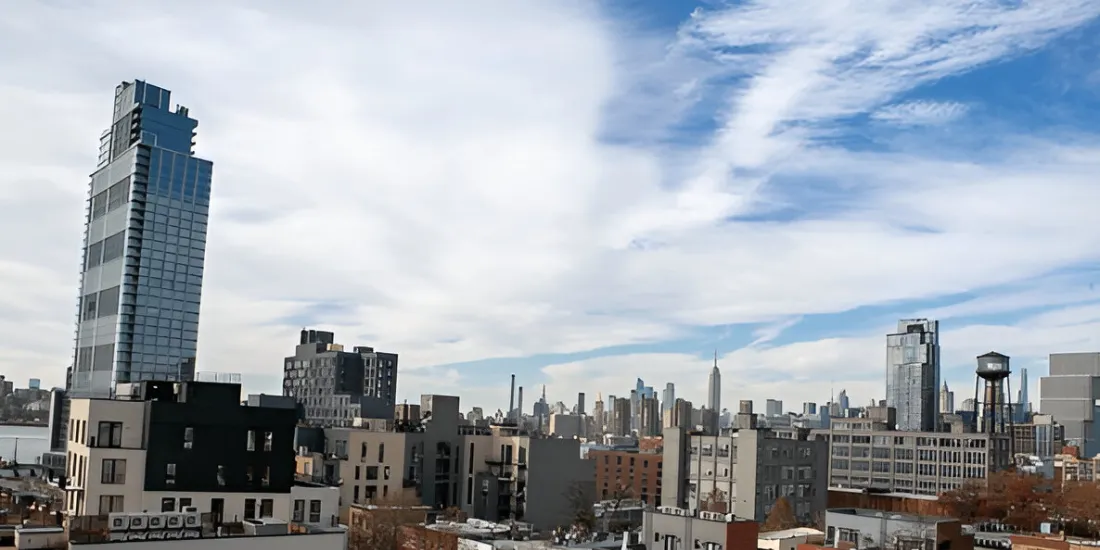

So, picture this: I land at Hartsfield-Jackson Atlanta International Airport sun’s already heavy overhead, and the second I step out, it’s warm, thick air like someone just wrapped me in a warm quilt I didn’t ask for. Welcome to Atlanta, right?
There’s the faint smell of fried chicken drifting from a Popeyes in the terminal. Someone’s playing OutKast on a speaker, and there’s this weirdly comforting chaos families shouting, Uber drivers honking, people in hoodies even though it’s 30°C (I still don’t get that). I’m sweaty, nervous, clutching my backpack like it’s a lifeline, and thinking… Alright, let’s do this.
If you’re coming to study in Atlanta in 2025, buckle up it’s welcoming and wild, confusing and exciting, and somehow, it’ll start to feel like home faster than you think.
Why You Should Study in Atlanta in 2025
Let’s start with the big question: why Atlanta?
Honestly? It’s kinda underrated.
Sure, everyone talks about NYC or LA, but Atlanta? It’s got all the opportunity without the cost of a kidney for rent.
Here’s what makes Atlanta a top choice in 2025:
- 30+ colleges and universities tons of programs, lots of flexibility
- Big name industries in tech, film, healthcare, logistics, and civil rights history
- Lower cost of living than most major cities in the U.S.
- Known for HBCUs (Historically Black Colleges & Universities) with a massive global rep
Bonus: Hartsfield-Jackson is the world’s busiest airport, so cheap flights back home or weekend getaways? Yes, please.
Top Universities to Study in Atlanta and Popular Courses
Here’s your campus cheat-sheet. Each university has its own vibe some are more traditional, some super techy, some artsy.
| University | Known For | Vibe / Culture | Tuition (Intl) |
|---|---|---|---|
| Georgia Tech | STEM, Engineering, Computer Science | Intense, forward-thinking, practical | ~$32,000/year |
| Emory University | Medicine, Law, Public Health | Research-heavy, quiet campus | ~$59,000/year |
| Georgia State U | Business, Finance, Public Policy | Urban, super diverse | ~$25,000/year |
| Spelman College | Liberal Arts, Women’s Leadership | HBCU, empowering, tight-knit | ~$30,000/year |
| Morehouse College | Pre-med, Politics, Activism | HBCU, brotherhood, legacy-rich | ~$29,000/year |
| SCAD – Atlanta | Film, Fashion, Game Design | Creative, studio-based | ~$39,000/year |
If you’re a STEM person Tech’s where it’s at. Love humanities or social impact work? Spelman, Morehouse, and Emory will treat you right. SCAD is for the dreamers and designers.
Cost of Living and Budget Tips for Students in Atlanta
Let’s talk money. You’ve probably heard the U.S. can be expensive, and yes it is. But Atlanta is still cheaper than New York, LA, or Boston, so that’s a win already.
Average Monthly Student Budget:
| Category | Estimated Cost (USD) |
|---|---|
| Rent (shared room) | 600–600–1,000 |
| Utilities & Wi-Fi | $120 |
| Groceries + Dining | $300–450 |
| Phone & Internet | $80–100 |
| Transportation (MARTA pass) | $70 |
| Health Insurance | ~$150 |
| Total | $1,300–1,800/month |
Budget Survival Tips:
- Live with roommates always.
- Use that student ID for museum entries, movie discounts, and MARTA student passes.
- Cook during the week, treat yourself on Fridays (yup, Atlanta food slaps).
- Free campus events = free food, don’t miss ’em.
Scholarships and Financial Aid for Students Studying in Atlanta
Worried about funding? You shouldn’t be. There are scholarships out there, even for international students.
Top Resources to Check:
- Emory’s Emory Scholars Program – some full-ride awards
- Georgia Tech International Merit Scholarships
- Coca-Cola Scholars Program (based in Atlanta big one!)
- Georgia State Global Grant Awards
- Websites like Scholarships360, IEFA.org, Fastweb
Hot tip: Apply EARLY. Some scholarships close 6–9 months before classes even start.
How to Apply to Study in Atlanta: 5 Steps for International Students
Take a breath it’s not that hard. But yeah, it can be a lot.
Step 1: Research Programs (Sept–Oct 2024)
Narrow it down: What are you studying? What’s your budget? Check course lists and entry requirements.
Step 2: Prep for Exams (Oct–Dec 2024)
TOEFL/IELTS/GRE/SAT/GMAT whatever’s required. Don’t leave it too late.
Step 3: Gather Application Materials (Nov–Jan 2025)
You’ll probably need:
- Academic transcripts
- Passport + ID copies
- Proof of finances
- Test scores
- Statement of purpose
- Recommendation letters
Step 4: Submit Apps (Dec 2024–Feb 2025)
Every school has different blackout dates triple check before you click submit.
Step 5: Visa Time (March–May 2025)
Once accepted, use that I-20 form to book your visa interview.
Visa and Work Regulations for Students Studying in Atlanta
You’ll come on an F-1 student visa. Here’s how it works:
F-1 Perks (and Limits):
- Work on-campus up to 20 hrs/week during semesters
- CPT: lets you intern legally during degree (usually year 2+)
- OPT: one year post-graduation work (extendable for STEM students to 3 years)
- Access to some Social Security benefits, like ID and tax returns
Atlanta has big companies who hire int’l grads, so you won’t feel hopeless post-graduation.
Student Housing Options for Those Who Study in Atlanta
Dorms are fine for year one. After that? Everyone goes off-campus.
Popular Student Neighborhoods:
| Neighbourhood | Why Students Love It | Downside |
|---|---|---|
| Midtown | Tech-focused, walkable, vibrant | Expensive |
| Downtown ATL | Near GSU, nightlife, cool cafes | Loud / busy |
| Decatur | Artsy, chill, cheaper, green spaces | Farther from Tech |
| West End | Close to Spelman/Morehouse, culture-rich | Less transit access |
| East Atlanta | Creative vibe, music & food scene | Can be inconsistent |
Facebook groups and student housing Facebook sublets are goldmines, just avoid sketchy listings. Ask your uni for help too!
Daily Life, Food, and Student Culture While Studying in Atlanta
A day in Atlanta might look like this:
- Morning iced coffee, light jog in Piedmont Park
- Class or labs, sometimes in huge lecture halls (bring snacks)
- Afternoon study sesh in Java Cats Café (yes, cats and coffee!)
- Meet friends at Ponce City Market for dumplings and rooftop hangs
The culture? It’s creative and chill students are low-key smart, community-oriented, and not in-your-face competitive.
And food… oof. You haven’t lived until you’ve had lemon pepper wings at midnight.
Internship and Career Opportunities After Studying in Atlanta
Atlanta’s job scene is buzzing especially in:
- Tech: Microsoft, NCR, Mailchimp, startups galore
- Film: It’s the “Hollywood of the South”
- Finance: Big banks have regional HQs here
- Public Health/Medicine: CDC, Emory Healthcare are based here
Use Handshake, LinkedIn, and local job fairs. Plus, most universities have killer career centers don’t ignore them.
Short-Term Study Programs in Atlanta
Not ready to dive into a full degree? Test the waters with:
- Georgia Tech summer courses (STEM-heavy)
- Emory’s short public health intensives
- SCAD seasonal courses (fashion, design, animation)
- ESL programs across Emory, GSU, and local community colleges
Perfect for exchange students, introverts, or those just exploring career paths.
Applying Timeline for Students Planning to Study in Atlanta in 2025
| Month | What You Should Be Doing |
|---|---|
| Sept–Nov 2024 | University research, exam prep |
| Dec–Feb 2025 | Finish essays, apply to schools |
| March | Get offers, start visa paperwork |
| April–May | Finalize visa date, find housing |
| June–Aug | Book flights, pack, settle money stuff |
| Sept 2025 | Orientation week, meet your people |
Comparison: Public vs Private Universities in Atlanta
| Feature | Public (e.g., GSU, Georgia Tech) | Private (e.g., Emory, Spelman) |
|---|---|---|
| Tuition (Intl) | ~22,000–22,000–32,000/year | ~30,000–30,000–60,000/year |
| Class Size | Larger (big lectures) | Smaller, more personal |
| Prestige | Tech = Top ranked in STEM | Emory = Global medical + humanities rep |
| Campus Vibe | Diverse, local crowd | Strong sense of identity/community |
FAQs About Studying in Atlanta for International Students
Yes, mostly. Like any big city, just stay alert, especially at night. Stick to well-lit areas and use public transport or rideshares after dark.
Yes, with an F-1 visa, you can work on-campus up to 20 hours/week during school and up to 40 during breaks. After your first year, you can apply for CPT and OPT to intern or work.
It’s chill but vibrant. Lots of creative events, food trucks, late-night study cafés, concerts, and friendly student orgs to join. And yes, people say “y’all.”
Definitely. Schools like Georgia Tech, GSU, and Emory have strong international communities. You’ll meet students from all over the world.
Yes via OPT for a year (or longer if you’re STEM). Just plan early.
First-Year Survival Checklist for Students in Atlanta
- Apply for your visa + book housing early
- Download MARTA app + Google Maps (you’ll use it a lot)
- Pack light; buy winter stuff after you arrive
- Join at least 1 student group (instant friends)
- Don’t be afraid to ask for help from profs, other students, anyone
- Explore! Go to festivals, concerts, even the Georgia Aquarium
- Keep track of spending (apps like Mint or Notion help)
- Call home when homesick (it will happen, and that’s okay)
- Sign up for free events on campus = food + networking
- Enjoy your time it flies by faster than you think
Final Note
If you’re planning to study in Atlanta, 2025 could 100% be your year. You won’t have it all figured out on day one none of us did but if you stay curious, stay open, and say yes to the weird adventures? You’ll not only survive you’ll thrive.
Catch you on campus.