
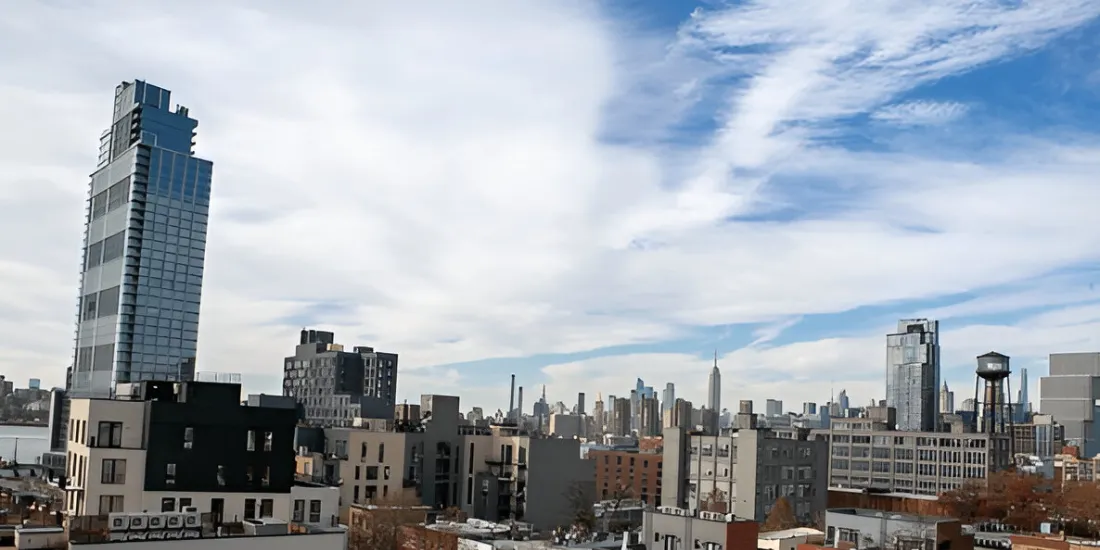
If you’re planning to study in New York in 2025, let me be the first to say get ready for the wildest, most eye-opening, rewarding experience of your life. Seriously. I came here with zero idea how things worked, jet-lagged as hell, and somehow found my rhythm (after getting lost on the subway five times). This city teaches you fast about yourself, about others, and yeah, about how to survive on bagels and iced coffee during finals week. If you’re googling “how to study in New York,” you’ve found the right corner of the internet.
Why You Should Study in New York in 2025
Here’s the deal: New York isn’t just a city it’s an energy. Every block, every subway ride, every loud crosswalk has something new happening. You’ll meet people speaking five languages before you finish your morning iced latte. I met someone from Morocco, Germany, and Australia in one class no joke.
In 2025, nearly 60,000 international students will call NYC home. Why? Because:
- It’s the epicenter for everything: finance, media, art, fashion, tech, law.
- Over 100 colleges and universities call it home.
- There’s endless cultural diversity you’ll rarely feel out of place.
- Internships, jobs, and networking? This is where it happens.
- The arts scene, the food scene, the indie bookstores endless discoveries.
Also, it’s not all glam it’s real, loud, lovely chaos. But if you’re willing to learn and adapt? There’s no better classroom than NYC.
Top Universities to Study in New York and Popular Courses
There are so many options in the city from ultra-elite Ivies to solid public colleges that don’t drain your life savings.
Here are a few you should definitely look up:
| University | What It’s Best For | Student Life | Tuition (Intl) / Year |
|---|---|---|---|
| Columbia University | STEM, Law, Journalism | Ivy League vibes, elite/professional | ~$65,000 |
| New York University (NYU) | Business, Arts, Tech | Trendy, urban, downtown life | ~$63,000 |
| CUNY (City University of New York) | Finance, Nursing, CS, Teaching | Diverse, commuter-style, budget-friendly | ~18,000–18,000–20,000 |
| The New School | Liberal Arts, Design, Media | Alternative, progressive, open-minded | ~$50,000 |
| Pace University | Business, Theater, CS | Career-focused, modern campus | ~$48,000 |
| Fordham University | Law, Theology, Psychology | Catholic roots, social justice-oriented | ~$55,000 |
Honestly? Tuition at private universities here hurts unless you’ve got funding. That said, schools like CUNY are super underrated great programs and massively cheaper.
Also, most campuses are vertical rather than grassy quadrangles it’s NYC, space is luxury. Classes might be in skyscrapers!
Cost of Living and Budget Tips for Students in New York
Okay, real talk New York is expensive. But “expensive” looks different when you learn how to work around it.
Monthly Student Budget Breakdown (2025 Average):
| Category | Cost (USD) |
|---|---|
| Rent (shared apartment) | 900–900–1,500 |
| Food & Groceries | 300–300–500 |
| Transportation (Monthly MetroCard) | $132 |
| Phone + Internet | 80–80–120 |
| Personal/Entertainment | 100–100–200 |
| Health Insurance | 100–100–200 |
| Total | $1,600 – $2,500 monthly |
Tips to Stay Alive Financially:
- Live with roommates. Never live alone unless you have billionaire parents.
- Cook at home most weekdays.
- Use your student ID for discounts it gets you 10–30% off at movie theaters, clothing stores, museums, etc.
- Shop at Trader Joe’s, Aldi, or local groceries (skip Whole Foods unless you want to cry at checkout).
- For clothes and furniture? Thrift stores all the way.
Genuinely, I still live in Brooklyn with two roommates and cook pasta like four times a week. It’s not glamorous, but we make it work and it’s fun.
Scholarships and Financial Aid for Students Studying in New York
So here’s the part people don’t talk about enough yes, international students can get scholarships, even if it’s harder. You just have to start early and know where to look.
Where to Find Scholarships:
- NYU Wagner International Scholarships
- Columbia Financial Aid (available if you apply for aid during admission)
- Fulbright Foreign Student Program
- CUNY Global Scholars or International Student Grants
- The New School Presidential Scholarships
- Edupass.org and IEFA.org (great for external aid)
How to Boost Your Chances:
- Work on your essay make it personal. Schools want to hear your journey.
- Don’t just apply to one place apply to five, ten, twenty if you can.
- Contact financial aid offices directly. I emailed Pace’s office a question and got a lead on a lesser-known school award.
How to Apply to Study in New York: 5 Steps for International Students
The application system can feel like a monster at first. But once you break it down step-by-step, it’s manageable.
Step 1: Choose Your Universities (Sep–Nov 2024)
List 3 dream schools, 3 realistic, and 1 back-up.
Step 2: Prep for TOEFL / IELTS / SAT / GRE / etc. (Oct–Dec 2024)
Start early! Slots fill up fast. Most undergrads need TOEFL/IELTS + SAT. For grad students, it’s usually GRE or GMAT.
Step 3: Get Documents Together (Dec–Jan)
Recommendation letters, transcripts, SOP, resume, passport scan, and proof of funds. Keep a folder digital + printed.
Step 4: Submit Applications (Dec 2024–Feb 2025)
Most use Common App (undergrad) or school sites (grad). Don’t wait till midnight on deadline day. Learned that the hard way.
Step 5: Apply for Your Visa (March–May 2025)
Once accepted, you’ll get an I-20 form. Use this to apply for your F-1 visa. Some interviews are quick, but some take longer, especially in high-volume cities.
Visa and Work Regulations for Students Studying in New York
You’re gonna need an F-1 Student Visa. Here’s the simplified version:
To apply, you’ll need:
- University acceptance letter + I-20
- SEVIS fee ($350)
- DS-160 visa application
- Interview at U.S. embassy + supporting docs (grades, proof of finances)
F-1 Visa Work Rules:
- Up to 20 hours/week on-campus during semesters
- CPT (Curricular Practical Training) = paid internships during study
- OPT (Optional Practical Training) = 1 year of work after graduation (3 years for STEM grads)
I worked as a library assistant on campus, and it paid just enough to cover my groceries. The $$$ isn’t huge, but the experience looks good on your resume.
Student Housing Options for Those Who Study in New York
Housing is a drama in this city, but manageable.
Best Student-Friendly Neighborhoods:
| Area | Pros | Cons |
|---|---|---|
| Brooklyn (Bushwick, Bed-Stuy, Crown Heights) | Cheaper, creative, chill | Longer subway rides |
| Queens (Astoria, Jackson Heights) | Diverse, authentic food, good for CUNY | Far from Manhattan |
| Upper West Side | Close to Columbia, quiet | Expensive AF |
| East Village / Lower East Side | Trendy, fun, full of NYU students | Pricey unless you’re in a dorm |
Dorms get snatched up FAST. Apply the second you’re accepted.
If off-campus, check listings at:
- Roomi
- NYU Housing Swap
- Facebook groups
- StreetEasy / Zillow
Scout in-person if you can. Some photos lie, and you’ll want to know if the “closet” is actually under the kitchen sink.
Daily Life, Food Culture, and Student Vibes While Studying in New York
This city keeps you on your toes, but never boring. You’ll:
- Take classes in high-rises.
- Eat from halal trucks after class.
- Work part-time at a coffee shop that only plays indie jazz.
- Study with skyline views.
- Cry in Central Park.
- Find your people.
Fun things I do weekly as a student:
- Study at NYPL or cute cafes in SoHo.
- Watch $5 indie films at IFC.
- Grab secondhand books at The Strand.
- Go to free museum nights (MoMA Fridays? Get there early!).
Even if you’re broke, there’s always something to do.
Internship and Career Opportunities After Studying in New York
This is why most people move here: career goldmine.
Top Sectors for Interns/Grads:
- Finance: Wall Street, JPMorgan, Goldman Sachs
- Tech: Google, Meta, Spotify, startups galore
- Media & Publishing: The New York Times, BuzzFeed, HBO
- Arts & Fashion: NYFW, Parsons, Broadway
- Nonprofit + UN orgs: Lots of NGOs headquartered right here
Pro Tip:
Start early. Use your school’s career center, career fairs, and alumni mailing lists. LinkedIn is useful but don’t forget local events. Some grads get hired right out of internships.
Short-Term Study Programs in New York
If a full degree sounds like a lot, try something short!
Options:
- NYU Summer Sessions: 6–12 weeks
- Columbia Summer Program for High Achievers
- Pace International Bridge Program
- The New School Continuing Education (design, film, business)
- Hunter College Language Programs
Also great as a way to “test out” if NYC is right for you.
Applying Timeline for Students Planning to Study in New York in 2025
| Timeframe | To-Do List |
|---|---|
| Sept–Nov 2024 | Pick programs, start exam prep |
| Nov–Jan | Write application essays, get documents |
| Jan–Feb | Submit applications |
| March–April | Receive offers, apply for visa |
| May–June | Secure housing, flights, budgeting |
| Aug | Orientation, settle in, explore boroughs |
FAQs About Studying in New York for International Students
Yeah, for the most part. Like any big city, it’s about being aware of where you are and staying smart at night. Stick to well-lit areas and learn which neighborhoods to avoid after hours locals will fill you in quick.
Yes, but only on campus at first. With an F-1 visa, you can work up to 20 hours/week on campus. After your first academic year, you can also apply for CPT (internships) and OPT (post-study work).
Not at all but it takes effort at first. Join student clubs, show up to orientation, say “hi” in class. People are open once you make the first move, even if they seem rushed at first (classic NYC energy).
Nope. Just enough to get by in lectures and daily life is fine. And trust me, no one has perfect English when they first arrive even native speakers mess things up sometimes.
Start EARLY. University housing is the easiest (but fills fast), and off-campus WGs (shared apartments) in Brooklyn or Queens are your best bet. Check Facebook housing groups, your uni’s off-campus housing board, or sites like Roomi and StreetEasy.
First-Year Survival Checklist for Students in New York
- Apply for F-1 and get your I-20 early
- Budget realistically (then budget again)
- Get your MetroCard + student ID
- Go to orientation yes, even if it’s awkward
- Explore all five boroughs
- Follow local Insta pages for cheap/free events
- Talk to at least one professor outside of class
- Say “yes” to something new once a week
- Get lost (on purpose) and find your own spots
- Remember why you came here in the first place
Final Thoughts
To study in New York in 2025 means pushing yourself. It means learning how to hustle, how to chill, how to fail and recover and how to find magic in the most random places (like that bodega sandwich at 2 AM). You don’t need to have it all figured out before you arrive. Just bring your curiosity, your courage, and the best shoes you’ve got for walking.
You’ll figure out the rest.