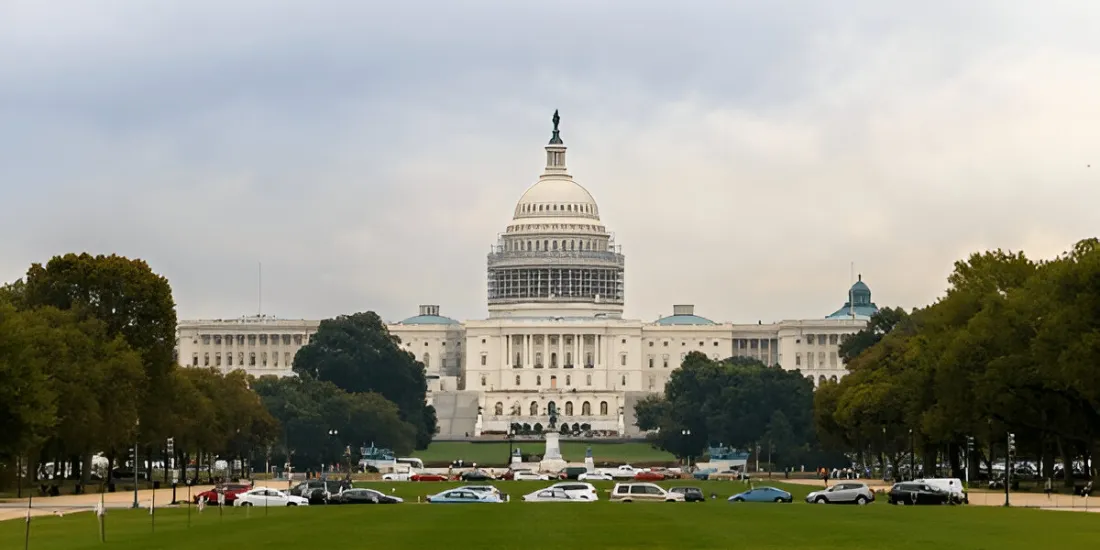
I still remember the smell of roasted nuts and exhaust fumes when I first landed in DC. It was early September humid, kind of sticky and the breeze carried a weird mix of city buzz and something floral (probably from a nearby food truck selling halal wraps). One second I’m dragging my overstuffed luggage, and the next, I’m staring at the U.S. Capitol glowing under the afternoon sun. That’s when it hit me this is really happening.
So, if you’re thinking about making the move to study in Washington, DC in 2025, first off super exciting. Secondly trust me, there’s so much no one tells you before you arrive. That’s what this guide is for. Not a flyer. Not a university brochure. Just one student to another, telling you how it works, what it costs, and what it really feels like to live and study in Washington, DC.
Why You Should Study in Washington, DC in 2025
Let’s get into it why DC and why now?
First, the obvious stuff: it’s the capital of the U.S. You’re literally surrounded by world-changing policy, international organizations, epic history, and some of the best museums (many of them free, by the way). But it’s not just politics. DC is super international nearly 15% of residents are foreign-born, and the student population reflects that big time. I met classmates from Peru, Germany, Nigeria, Turkey all in my first two weeks.
Some solid reasons to study in Washington, DC in 2025:
- Home to more than 15 major universities and colleges
- Ranked one of the Top 5 Student Cities in the U.S. for academic and cultural life
- Strong job market for internships especially in government, law, health, journalism, and tech
- Amazing location if you like weekend trips Philly, NYC, and Baltimore are under 4 hours away
- And yes, free access to the Smithsonian Museums never gets old
Whether you’re studying political science or biomedical engineering, this city gives whatever you’re learning real-world context. That relevance hits different when your professor is someone who literally works at the World Bank.
Top Universities to Study in Washington, DC and Popular Courses
Okay, let’s break down the schools there are a lot, but here are the main players most international students go for:
| University | Known For | Vibe | Intl Tuition (per year) |
|---|---|---|---|
| Georgetown University | International Relations, Law, Public Policy | Prestigious, global, Jesuit roots | $62,000+ |
| George Washington University (GWU) | Political Science, Journalism, Health, Business | Urban, career-driven, central location | $59,000 |
| American University | International Affairs, Public Admin, Sustainability | Inclusive, political, beautiful campus | $52,000 |
| Howard University | Health, Law, Business, Human Rights | HBCU, historic, vibrant Black culture | ~$28,000 |
| Catholic University of America | Architecture, Philosophy, STEM | Calm, leafy campus, values-based | ~$50,000 |
| University of the District of Columbia (UDC) | Engineering, Nursing, Urban Sustainability | Public, affordable, direct community focus | ~13,000(in−state), 13,000(in−state), 25,000 (out-of-state) |
A quick heads-up: Some of these universities don’t include housing or international fees in the sticker price. Also, if you’re just getting started or want a more affordable start, UDC has transfer programs where you can switch to GWU or American later smart move if you’re planning long-term.
Cost of Living and Budget Tips for Students in Washington, DC
Honestly? DC isn’t cheap. But you can live here without going broke, I promise.
Average Monthly Costs for Students:
| Expense | Estimated Cost (USD) |
|---|---|
| Shared Rent | 900–900–1,500/month |
| Groceries + Food | 300–300–500 |
| Metro/Bus Pass (U-Pass or SmarTrip) | $60 |
| Phone + Internet | $80 |
| Personal + Fun Stuff | 100–100–200 |
So you’re looking at $1,500 to $2,400/month depending on lifestyle. Tip: split costs with roommates, buy groceries in bulk (check out Aldi or Trader Joe’s), and don’t rely on Ubers when the metro is fast, clean, and super safe.
Some budget hacks that saved my life:
- Target student discounts like a hawk especially for electronics and software
- Shop at thrift stores (check out Crossroads in Adams Morgan)
- Buy or rent used books from Chegg or Amazon
- Use off-campus meal plans they’re cheaper and more flexible
Scholarships and Financial Aid for Students Studying in Washington, DC
Unfortunately, federal aid in the U.S. isn’t available to most international students. But don’t panic there are university-specific and private scholarships, and you absolutely can get them if you plan ahead.
Where to Look:
- American University Emerging Global Leader Scholarship – Full ride, but super competitive
- George Washington U Global Leaders Fellowship – Covers tuition and partial living expenses
- Georgetown Global Competitiveness Scholarship
- Fulbright Program (for grad students only)
- International Peace Scholarship for Women
- Edupass and IEFA.org – Both list external scholarships you can apply for based on nationality, subject, etc.
Tips:
Apply early, personalize your essays, and don’t be afraid to ask the admissions office directly they’re often more helpful than websites let on.
How to Apply to Study in Washington, DC: 5 Steps for International Students
Let’s be real the application process isn’t hard, but it’s time-consuming. Follow these 5 steps and you’ll be golden:
Step 1: Shortlist Your Schools (Oct–Nov 2024)
Research programs, tuition, financial aid, and application deadlines.
Step 2: Take Exams (Nov–Dec 2024)
You may need TOEFL, IELTS, SAT, ACT, GRE, or GMAT, depending on your level. Book early!
Step 3: Prepare Documents (Dec–Jan 2025)
Have your transcripts translated (if needed), prep your personal statement, ask for recommendation letters, and organize your financial proof.
Step 4: Apply! (Jan–Feb 2025)
Submit your applications online many use the Common App or direct university portals.
Step 5: Get Accepted & Apply for Visa (Mar–May 2025)
Once you’re in, the school mails you an I-20 form. Use that to apply for your F-1 visa.
Visa and Work Regulations for Students Studying in Washington, DC
You’ll need the F-1 student visa to study in Washington, DC. Here’s a quick rundown of how it works:
- Apply for the F-1 after getting your I-20 form from your school
- Fill out the DS-160 form and pay the SEVIS fee ($350)
- Book your visa appointment with the U.S. embassy in your country
Working Rules:
- On-campus jobs: Up to 20 hours per week during semesters
- CPT (Curricular Practical Training): Lets you intern while studying (must be related to your major)
- OPT (Optional Practical Training): After graduation, you can work full-time for up to 12 months (up to 36 months for STEM majors)
Student Housing Options for Those Who Study in Washington, DC
Housing in DC gets snatched fast start looking the second you confirm admission.
Popular Student Neighborhoods:
| Neighborhood | Pros | Cons |
|---|---|---|
| Foggy Bottom | Walkable to GWU, museums, metro access | Pricey, touristy |
| Brookland | Peaceful, near Catholic U + Metro | Can feel far from “the action” |
| Columbia Heights | Diverse, great restaurants, affordable | A bit noisy at night |
| Adams Morgan | Social, trendy, food + nightlife | Not super close to most campuses |
| NoMa/H Street | Modern housing, artsy, near libraries | Still developing, fewer student crowds |
Try to live near a metro line. The red and green lines will take you to most university hubs quickly.
Daily Life, Food, and Student Culture While Studying in Washington, DC
So, what’s life like once you land?
Vibes:
DC is a blend of intense and chill people are ambitious, but also politically active, artistic, and into niche stuff like open mic poetry. You’ll go from a lecture on climate policy to salsa night in Dupont Circle without skipping a beat.
Food? Surprisingly epic.
- Half Smokes at Ben’s Chili Bowl – classic DC
- Go to Union Market: gourmet street food under one roof
- Tons of Ethiopian, Korean, Afghan, Caribbean food options around town that don’t break the bank
Culture Tip:
Go outside your campus. DC has embassy events, free performances at the Kennedy Center, open museum nights, and pop-up art shows. Don’t just stay in dorm-study-dorm mode.
Internship and Career Opportunities After Studying in Washington, DC
This is where DC really shines.
My first internship was with a nonprofit that worked with refugees. Paid? Barely. Valuable? 100%.
Industries that thrive here:
- Governmental + NGO work
- Law and Policy Research
- Journalism and International Media
- STEM + Public Health
- Cybersecurity + Tech Innovation
Reach out to your school’s career services early they’ll help with resume workshops, networking events, and even employer meetups.
Short-Term Study Programs in Washington, DC
Not ready for a full degree? Consider these options:
- GWU Summer Institutes: 2–9 week programs in politics, business, or media
- American University Global Scholars or Graduate Diplomatic Training
- Internships for international visitors through Global Ties
- English immersion + bridge programs at Catholic U, Georgetown, and Howard
Some universities also offer semester exchanges with partner schools in Europe, Latin America, and Asia.
Applying Timeline for Students Planning to Study in Washington, DC in 2025
| Month | To-Do |
|---|---|
| October 2024 | Pick universities, mark deadlines |
| November-Dec | Take tests (TOEFL, IELTS, etc.) |
| Jan-Feb 2025 | Submit applications and scholarships |
| March-April 2025 | Admission offers, accept one |
| May–June | Visa process, housing search |
| July–August | Pack, prep, orientation during early Sept |
FAQs About Studying in Washington, DC for International Students
Yes! It’s diverse, full of global opportunities, top universities, and tons of cultural experiences.
Yes, with an F-1 visa you can work on-campus during school and apply for CPT or OPT for internships and jobs.
Top choices include Georgetown, GWU, American University, Howard, and Catholic University.
Yes! Many DC universities offer merit-based scholarships and need-aware aid just apply early and craft a strong personal statement.
Most schools require one of those if English isn’t your first language. Some accept Duolingo English Test too, so check with your school.
First-Year Survival Checklist for Students in Washington, DC
- Buy a Metro card and learn the Red Line like your life depends on it
- Hunt deals on Craigslist or Facebook Marketplace (especially furniture!)
- Visit the National Mall at least once at night it’s surreal
- Join one random club you know nothing about
- Say “yes” to free lectures you never know who’ll be speaking
- Keep copies of passport + visa in cloud storage (and one USB too)
- Learn to meal prep you’ll thank yourself during exams
- Don’t be afraid to ask for help, ever
- Call home more than you think you need to
- Explore one new museum every month many are free!
- Follow @dcfoodie on Instagram (thank me later)
Final Thoughts
Choosing to study in Washington, DC in 2025 means more than getting a good degree it’s about jumping into a city where cultures, careers, and people collide. It’s messy and inspiring and fast-paced but unbelievably rewarding if you dive in.
So, whether you’re still comparing schools or already dreaming of cherry blossoms, just know this: you’re not alone, and you’ve got this.