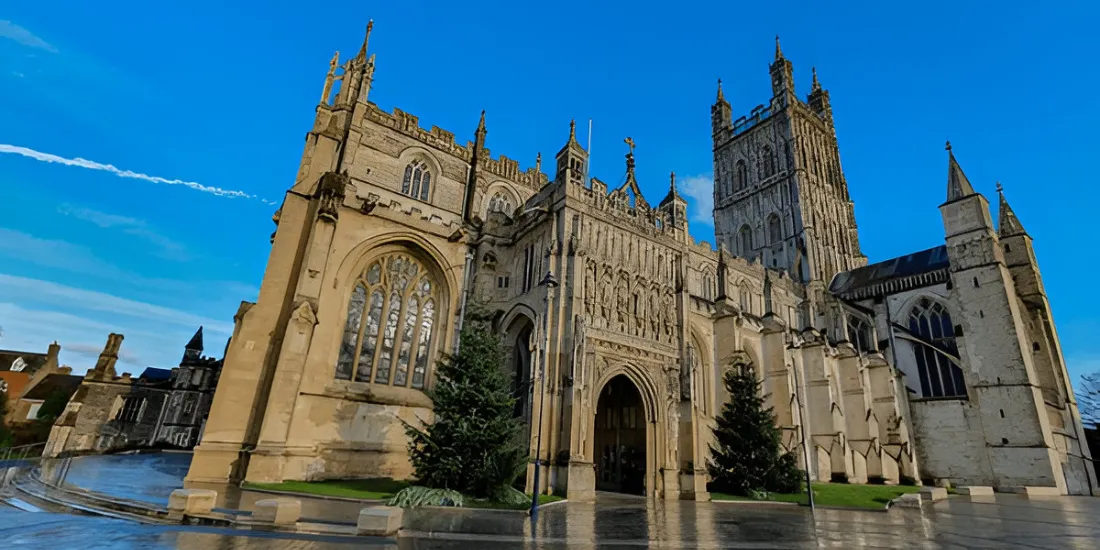

If you’re planning to study in Chennai in 2025, you’re about to make one of the boldest and best choices of your life. Study in Chennai, and you’ll dive into a city where tradition meets tech, where filter coffee fuels all-nighters, and where the people are as warm as the climate (no really, it’s HOT). Study in Chennai isn’t just about college-it’s street food, language mix-ups, temple runs, spontaneous beach hangouts, and memories you didn’t even know you needed.
Let’s get into it-imagine we’re sitting in a slightly overcrowded café in Besant Nagar, iced coffee in hand and chaats on the table.
Why You Should Study in Chennai in 2025
So here’s the thing: Chennai doesn’t always show up on flashy “top 10 study abroad destinations” lists-but it absolutely should. It’s one of India’s most underrated education hubs with world-class institutions, coastal views, and career connections (especially for tech and research fields). Plus, the cost of living? Way lower than in places like Mumbai, Bangalore, or even Delhi.
Quick facts to back it up:
- Home to over 500,000 university students, and an increasing number of international ones-especially from Africa, Southeast Asia, and the Middle East.
- Rich in history, cinema, music, arts, and strong academic culture.
- Known for some of the top-ranked engineering and medical institutions in India.
- Ranked one of the safest metros in India-especially for students and single female travelers.
- Close proximity to tech parks and international companies = great for internships!
Trust me, even if you’ve never stepped foot in India, Chennai has a way of making you feel like you’ve been here before.
Top Universities to Study in Chennai and Popular Courses
Alright-let’s talk about where you might land.
1. Indian Institute of Technology Madras (IIT-M)
- Vibe: Super brainy but chill. Campus is massive (and inside the Guindy Forest!), with deer literally just hanging out.
- Known for: Engineering, Data Science, Physics, AI, Management.
- Tuition: Varies by program-international fees start around ₹3–5 lakhs/year (~
- 3,600–
- 3,600–6,000 USD).
2. Anna University
- Vibe: Government-run, respected, tons of domestic and international crowd.
- Known for: Engineering, Architecture, Biotechnology.
- Tuition: About ₹2–3 lakhs/year for most technical courses.
3. University of Madras
- Vibe: The old soul of Chennai education-established in 1857. Traditional but strong in academics.
- Known for: Humanities, Social Science, Law, Business.
- Tuition: Around ₹50,000–₹1 lakh/year (USD $600–1,200)
4. SRM Institute of Science and Technology
- Vibe: Modern private university, very international, shiny campus.
- Known for: Engineering, Medicine, Management, Hospitality.
- Tuition: ₹2–5 lakhs/year (
- 2,500–
- 2,500–6,000 USD), depending on course.
5. Vellore Institute of Technology – Chennai Campus (VIT Chennai)
- Vibe: Careers-focused, well-maintained, good placement records.
- Known for: Mechanical, ECE, Computer Engineering.
- Tuition: Around ₹2.5–5 lakhs/year.
Courses that are hot right now in Chennai (and growing fast):
- Computer Science & AI
- Biotechnology
- Business & Data Analytics
- Humanities & South Asian Studies
- Film/Media (yes, Kollywood is a whole world!)
Cost of Living and Budget Tips for Students in Chennai
Chennai’s affordable-no sugar-coating needed. You’ll get more value for less, compared to most metro cities.
| Expense | Monthly Cost (Approx.) |
| Shared Rent/PG | ₹8,000–₹15,000 |
| Food & Groceries | ₹3,000–₹6,000 |
| Transport (bus/metro) | ₹500–₹1,000 |
| Internet + Prepaid Mobile | ₹600–₹1,000 |
| Fun (eating out/shopping) | ₹2,000–₹4,000 |
| Total | ₹14,000–₹25,000 / month |
Budget Tips:
- Eat local – South Indian meals can be filling for under ₹100.
- Get a metro card – ride from one end to another for less than ₹50.
- Shop in T. Nagar or Pondy Bazaar – yes, it’s busy, but you’ll find everything cheaper than malls.
- Join student groups for free events, open mics, beach clean-ups-you’ll save and make friends too.
Scholarships and Financial Aid for Students Studying in Chennai
Funding might seem tricky in India, but there’s actually quite a few options.
University-Specific Scholarships:
- SRM and VIT offer merit-based scholarships and discounts for international students.
- IIT-M has fellowships and stipends for international postgrads (especially PhD and research students).
- Madras University sometimes offers bursaries depending on your home country and program.
Other Sources:
- ICCR Scholarships – offered by the Indian Council for Cultural Relations (fully funded, but competitive).
- SAARC, African Union, ASEAN partner schemes – check with local embassies or India’s MEA.
- EduIndia Portal – helps apply across Indian unis with scholarship info included.
Pro tip: Start applying EARLY and craft your cover letter well. Showing interest in Indian culture or future research collabs can help.
How to Apply to Study in Chennai: 5 Steps for International Students
Here’s the down-to-earth path to studying in Chennai-even if you’re thousands of miles away now.
Step 1: Choose Your University + Course
Make a shortlist based on what you want to study + lifestyle. Private unis usually have better online systems for international apps.
Step 2: Check Eligibility & Gather Docs
You’ll need:
- Transcripts
- Passport
- Statement of Purpose
- English language test (TOEFL/IELTS), though some might waive this
- Course-specific exams (JEE for IIT, sometimes not required for international)
Step 3: Apply via University Website or Central Portals
Most Indian unis have specific international offices-use those! Or try Study in India and ICCR portals.
Step 4: Pay Application Fees + Attend Interviews (if any)
Some courses (like MBA) might ask for interviews or additional tests.
Step 5: Receive Offer + Apply for Student Visa
Once accepted, get your offer letter, start visa paperwork.
Visa and Work Regulations for Students Studying in Chennai
Here’s the straight deal:
Student Visa (India):
- Apply under the Indian “S” visa category.
- Required Documents:
- Offer letter from university
- Financial proof
- Medical clearance (TB tests, etc.)
- Proof of accommodation or address
Apply through your nearest Indian Embassy or Consulate. Visas are usually valid for 5 years or until completion of course.
Can You Work While Studying?
- Officially: No part-time work on a student visa (unlike, say, the UK or Canada).
- Unofficially: Some internships or research positions within campus are allowed, especially postgrad programs.
- Remote freelancing? Use caution-grey area. Many students tutor or freelance with care, but know the risks.
Student Housing Options for Those Who Study in Chennai
You’ve got options. Just avoid last-minute panic booking (been there).
1. University Hostels
- Secure, often within campus.
- Shared rooms with basic facilities.
- ₹5,000–₹10,000/month (including food in some places).
- Great for first years, but can be a bit restrictive.
2. PGs (Paying Guest Accommodation)
- Popular in student-heavy areas like Kilpauk, Saidapet, Velachery, Taramani.
- More flexible lifestyle. Shared bathrooms/kitchens.
- ₹8,000–₹15,000/month based on location + amenities.
3. Flats with roommates
- More independence. Good for final year or postgrads.
- Split rent means more cost-efficient.
- Look near Guindy, Anna Nagar, Adyar, or Tambaram.
Daily Life, Food, and Student Culture While Studying in Chennai
Chennai takes a few weeks to ease into-but soon you’ll genuinely fall for the rhythm.
- Mornings smell like jasmine and coffee. Start your day with an idli-vada combo or filter kaapi.
- Students head to class in auto rickshaws, jumping between college festivals and street food stalls.
- Weekends? Beach walks at Marina or Elliot’s, exploring Kapaleeshwar Temple or Phoenix Mall, or catching first-day-first-show South Indian films (energy-even if you don’t know Tamil).
- Cafés and co-working spaces: Writer’s Café, The Brew Room, and Backyard are student favourites.
- Cultural fests like Saarang, Techofes, and city marathons keep your calendar busy.
Internship and Career Opportunities After Studying in Chennai
You won’t study forever-so what about next steps?
- Chennai’s a major IT and manufacturing hub-think Cognizant, Accenture, Capgemini, Infosys.
- There’s a growing startup ecosystem (especially in blockchain, fintech, and ed-tech).
- IIT-M Research Park = goldmine for innovation, research, and collabs.
- Some unis offer internal internship placements or help with resume review.
Heads-up: Tailor every CV. Indian placements value specifics-numbers, results, hard skills.
Short-Term Study Programs in Chennai
Not ready for a full degree? No worries.
- Summer schools at IIT-M, SRM, or VIT (apply early, limited seats).
- Language Immersion Programs (like Tamil + Indian culture)
- Exchange programs through partner unis in Europe, Asia, US.
These help you dip your toes before diving in.
Applying Timeline for Students Planning to Study in Chennai in 2025
| Timeline | What To Do |
| Oct–Dec 2024 | Shortlist universities & courses |
| Jan–Mar 2025 | Prepare documents, begin applications |
| Apr–May 2025 | Apply for scholarships |
| June 2025 | Secure admission offer |
| July–Aug 2025 | Apply for student visa, book housing |
| Sept 2025 | Fly to Chennai, attend orientation |
FAQs About Studying in Chennai for International Students
Yes, absolutely. Chennai is one of India’s top educational cities, with a mix of reputed public institutions like IIT Madras and Anna University, and private ones like SRM and VIT Chennai. It’s safe, affordable, and culturally rich-plus, the student support systems are quite strong. The city might take a little time to adjust to, especially the climate, but once you’re in the flow, it’s a great place to focus, meet diverse people, and build your future.
The main language spoken is Tamil, since Chennai is the capital of Tamil Nadu. But don’t worry—English is widely spoken, especially in colleges, offices, and by most young people. You’ll be able to get by with basic English in almost all public places.
The easiest way? Practice daily. Being in an English-speaking university helps, but also try this:
-Join clubs that focus on presentations or public speaking.
-Watch English shows and movies.
-Make friends who speak in English regularly.
-Volunteer for college eventsit pushes you to talk more.
A little effort every day goes a long way!
Mostly Tamil-especially in shops, autos, and with older people. But English is super common in classrooms, hostels, cafés, and malls.
Because English connects you to global opportunities. Most top courses, especially in tech, business, and medicine, are taught in English. It also makes studying abroad easier and opens doors in international careers.
First-Year Survival Checklist for Students in Chennai
✅ Pack breathable clothes (and a small umbrella)
✅ Try filter coffee on day 1-you’ll get addicted
✅ Get an Indian SIM card-Airtel or Jio are best
✅ Don’t rely only on Uber-learn the art of rickshaw bargaining
✅ Download Zomato, Swiggy, Ola, and Namma Metro apps
✅ Join at least one club or fest squad
✅ Respect the local culture-it’s warm and proud
✅ Learn 10 Tamil phrases like “Saptiya?” (Did you eat?)
✅ Stay hydrated-Chennai sun is unforgiving
✅ Say yes more. That’s where the memories begin.
So… still wondering if you should study in Chennai in 2025?
If you’re looking for affordable education, a culture-rich life, and a challenge that’ll shape you forever-Chennai’s your city. Might not be perfect, but it’ll leave a mark. Your friends will call it culture shock… you’ll call it growth.
See you on the Marina sands, kya?