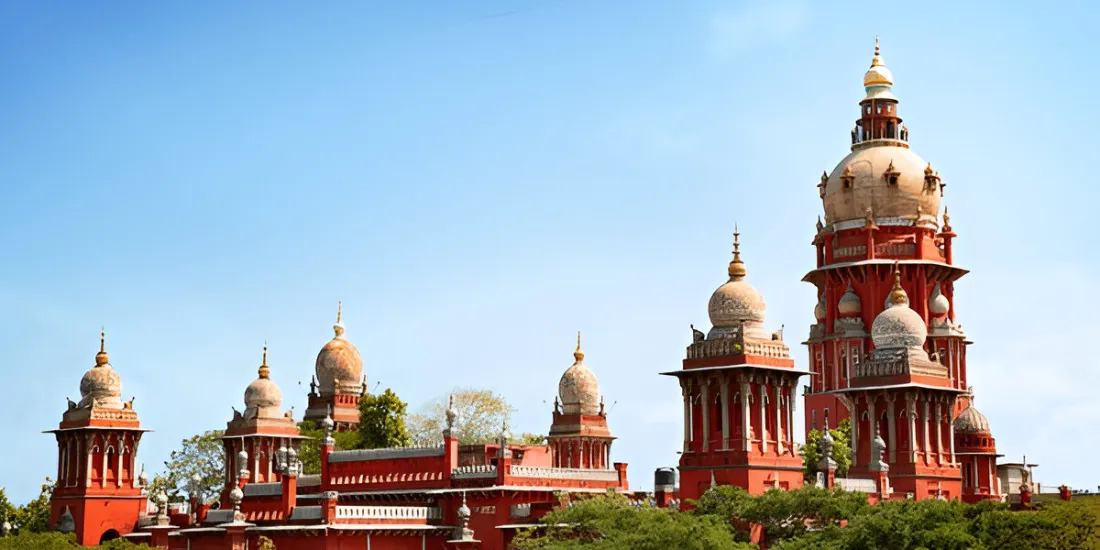

Mumbai offers some of India’s most respected colleges, the country’s deepest finance and media job market, and a cost of living that is high even by metro standards. Admission depends on the route. Most arts, science and commerce seats at University of Mumbai colleges are filled through the university’s online portal on merit, management and some engineering courses go through MHT-CET or JEE Main and the state CAP process, and IIT Bombay uses JoSAA. This guide explains how admission works, what Mumbai really costs, where students live and how to plan your year. Last reviewed on 11 November 2026.
Why Students Choose Mumbai
- Strong colleges across fields. Mumbai has long-established arts, science and commerce colleges, IIT Bombay, TISS, NMIMS and many specialist institutes.
- Industry on your doorstep. Banking, stock exchanges, advertising, film and television, journalism and a growing start-up scene are all based here, so internships are easier to find than in most cities.
- Connectivity. Local trains, the Metro and buses connect most campuses, although commutes can be long.
- The trade-off. Rent and deposits are among the highest in India, and a long commute can cost you hours every day, so where you live matters as much as where you study.
Top Colleges in Mumbai and How You Get In
| Institution | Known for | Usual admission route |
|---|---|---|
| University of Mumbai and affiliated colleges (including St. Xavier’s, Mithibai, HR College, Jai Hind) | Commerce, arts, science, law | MU online UG admission portal (Samarth), with college-wise merit lists |
| IIT Bombay | Engineering, science, design | JEE Advanced and JoSAA counselling |
| Engineering colleges under Mumbai University | B.E. and B.Tech | MHT-CET or JEE Main, then CAP counselling by the State CET Cell |
| BMS, BBA, BCA and similar programmes | Management and computer applications | MAH-CET followed by CAP counselling |
| TISS | Social sciences, development, public policy | Its own admission process; check TISS’s current notice |
| NMIMS | Management, commerce, engineering | Its own admission process and tests; check NMIMS’s current notice |
Popular commerce and management programmes at well-known University of Mumbai colleges have reported general-category cut-offs in the mid-90s percent, so shortlist a range of colleges rather than one. Routes and cut-offs change every year; confirm them on the official portals.
How Admission Works
1. University of Mumbai undergraduate programmes
You register on the University of Mumbai’s online UG admission portal, complete your profile and documents, pay the application fee and then follow college-wise merit lists. Registration on the portal is mandatory for affiliated and autonomous colleges. In 2026, pre-admission registration ran from 6 to 23 May and the first merit list came out on 26 May, with several further lists and a final date later in the year. Seat reservations follow Maharashtra state norms, so check the category rules before you apply.
2. Engineering: MHT-CET or JEE Main and CAP
For B.E. and B.Tech seats in Maharashtra, candidates need a valid MHT-CET or JEE Main score and take part in the Centralised Admission Process run by the State CET Cell. Maharashtra state quotas affect closing ranks for students from other states, so read the CAP brochure carefully.
3. IIT Bombay
Admission is through JEE Advanced and JoSAA counselling. Seats are allotted by rank, category and branch preference, with no separate institute test.
4. Management, law, social sciences and postgraduate courses
These typically use MAH-CET, CAT, CUET-PG or the institution’s own test and interview. Details are published a few months before the session, so check each notice.
Cost of Studying and Living in Mumbai
Fees at state-run colleges are modest compared with private universities, but fees vary widely by course, so use each college’s official fee schedule. Accommodation is the biggest cost. The figures below are estimates from housing and co-living sources and change with area and amenities.
| Item | Typical monthly cost (estimate) | Notes |
|---|---|---|
| Shared PG (3 to 4 sharing) | ₹8,000 to ₹18,000 | Often excludes food or electricity; check the total |
| Twin-sharing PG | ₹11,000 to ₹20,000 | More privacy, higher rent |
| Single room | ₹12,000 to ₹30,000 | Prices climb sharply in central and western suburbs |
| Food (mess or tiffin) | ₹3,000 to ₹5,000 | Cheaper if included in the PG |
| Local transport | ₹1,000 to ₹2,500 | Train and Metro passes cost less than daily tickets |
Security deposits are a major upfront cost. Housing sources report two to six months’ rent depending on the area and landlord, so budget for this before you move. A modest set-up often works out to roughly ₹20,000 to ₹30,000 a month, and central or single-room options cost more.
Ways to keep costs down:
- Choose accommodation near a railway or Metro station on your college’s line, rather than only the cheapest rent.
- Ask for student concessions on local train season tickets.
- Compare PG with meals against a flat share with your own cooking.
- Negotiate the deposit and get the agreement in writing, including refund terms.
Where Students Live
- Andheri, Vile Parle and Santacruz. Central location on the Western line and Metro, close to many colleges and the airport. Typical PG rents are roughly ₹12,000 to ₹23,000 in Andheri.
- Powai and Vikhroli. Convenient for IIT Bombay and the eastern suburbs. PG rents are roughly ₹13,000 to ₹28,000 in Powai.
- Churchgate, Fort and Colaba. Best for South Mumbai colleges such as St. Xavier’s, but the most expensive.
- Goregaon, Malad, Borivali and Navi Mumbai. More affordable options with rail or Metro links, but longer commutes to South Mumbai.
Before paying a deposit, visit in person, check fire exits and ventilation, ask about curfews and visitors, and confirm exactly what the rent includes. Our student accommodation page explains how we can help.
Scholarships and Financial Aid
- National Scholarship Portal. Central and state scholarships, including post-matric schemes for eligible categories, are applied for through the portal.
- Maharashtra state schemes. Eligible students can apply for state scholarships and fee concessions through the state’s scholarship portal. Check income and category rules each year.
- Institution-level aid. Many colleges and universities offer fee waivers or merit support, so ask the admissions office early.
- Education loans. Compare interest rates, moratorium periods and collateral rules before you decide.
Student Life and Practical Tips
- Commute. Peak-hour trains are crowded. Learn your route, travel timings and the first and last train before you sign a lease.
- Monsoon. Heavy rain can disrupt travel and cause waterlogging in some areas, so pick a place with a reliable route to your college.
- Language. Marathi and Hindi are widely spoken, and English is common on campuses.
- Festivals and societies. Most colleges run annual festivals, debating and cultural societies that are good for networking.
Internships and Careers
Mumbai is home to the country’s major stock exchanges and many banks, as well as advertising, film, television and digital media companies. Technology and start-up work is spread across the suburbs and Navi Mumbai. Use your college’s placement and internship cell, LinkedIn and Internshala to find openings, and start with short internships during breaks in your first and second years.
A Planning Timeline for Mumbai Admissions
Exact dates change every year. This follows the pattern seen in 2026.
| When | What to do |
|---|---|
| Class 11 to early Class 12 | Choose your target exams (MHT-CET, JEE, MAH-CET, NEET or college tests) and shortlist colleges |
| January to April | Register for and sit the entrance exams you need; MHT-CET was held in April in 2026 |
| May to June | MU pre-admission registration and first merit lists after Class 12 results |
| July | CAP counselling rounds for engineering and management courses |
| August | Fee payment, document verification, accommodation booking and the start of classes |
FAQs About Studying in Mumbai
Register on the University of Mumbai’s online UG admission portal, complete your profile and documents, pay the application fee and follow the college-wise merit lists. Management and some professional courses use separate entrance tests and CAP counselling.
JEE Advanced, followed by JoSAA counselling.
Many students budget roughly ₹20,000 to ₹30,000 a month for a modest set-up, with higher costs for single rooms and central locations. Deposits of two to six months’ rent are an extra upfront cost.
It depends on your college. Andheri and Vile Parle suit many western-line colleges, Powai suits IIT Bombay, and Churchgate or Fort suit South Mumbai colleges, but they cost more. Choose a place with a short, reliable commute.
No. English is widely used on campuses, though basic Hindi helps with daily life.
Yes. Our counselling is free for students and covers admission in India and abroad. Start with the free profile assessment.
Get Help Choosing a Mumbai College
Eduvisor’s counselling is free for students. We are paid by partner universities and colleges once a student enrols and pays tuition fees, and we still show you options that suit your profile, including ones that are not with our partners. Start with the free profile assessment or contact us. You can also read our guide to studying in Delhi or Pune to compare cities.
Sources: University of Mumbai UG admission notices (2026), Maharashtra State CET Cell information, and housing and co-living guides. Rents, dates and quotas change each year, so confirm them with the official portals.