Queen Mary University London Acceptance Rate

Last updated October 2026. Entry requirements, deadlines, fees and UK visa rules change often. Check Queen Mary University of London’s website and the UK government’s Graduate visa page for current information before you apply.
Introduction
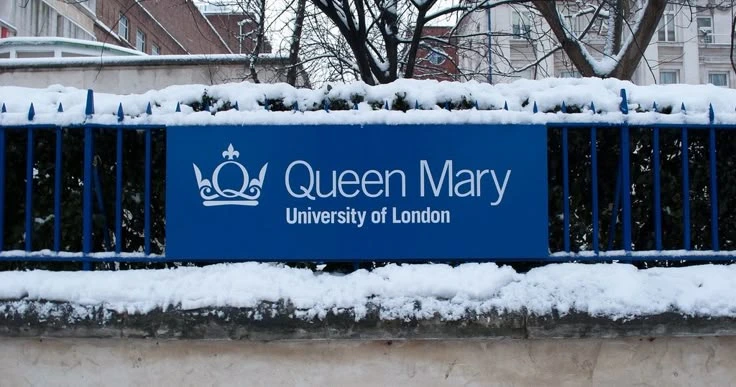
Queen Mary University of London (QMUL) is a research-intensive university in East London and a member of the University of London federation. It receives a large number of applications from international students, including many from India. If you’re searching for its acceptance rate, this guide explains why no single figure is published, how admissions work, and what Indian applicants should know about the UK’s post-study visa, which is changing.
Does Queen Mary Publish an Acceptance Rate?
UK universities, including QMUL, don’t normally publish one overall acceptance rate in the way many US universities do. That’s because:
- Each course is different. Places, applicant numbers and entry requirements vary a lot between courses, so offer rates do too.
- Undergraduate and postgraduate routes differ. Undergraduate applications go through UCAS, and postgraduate applications are made directly to the university.
- Different measures give different numbers. Applications, offers, accepted offers and enrolments are separate counts, and websites often mix them up.
Be cautious of sites that quote a single figure for Queen Mary (such as “about 43%”) or rates by subject (such as “Law 17–25%”) without showing the source and how it was calculated. For reliable information, use QMUL’s course pages, UCAS data and the Higher Education Statistics Agency (HESA).
What Decides Your Chances
Entry requirements for your course
Each course sets its own academic requirements, and QMUL publishes guidance for applicants from India (CBSE, ICSE/ISC, state boards or IB). Meeting the stated requirement is the first test, and competitive courses may expect more.
Postgraduate entry
Postgraduate courses usually ask for a good undergraduate degree in a related subject, often stated as a UK upper second-class (2:1) equivalent, and a personal statement or statement of purpose. Check each course page for the minimum and for how Indian degrees are treated.
Admissions tests, interviews and extra material
Some courses, such as medicine and dentistry, require an admissions test and interview, and tests change from year to year. Check the current requirement on the course page. Where a portfolio or project work is requested, follow the course’s instructions.
English-language proficiency
International applicants usually need an accepted English test, such as IELTS or TOEFL. The score depends on the course.
The UK Post-Study Visa Is Changing
This matters when you choose a UK university. According to the UK government and university immigration advice teams:
- The Graduate Route currently lets eligible graduates stay and work or look for work for 2 years after a bachelor’s or master’s degree, and 3 years after a PhD.
- For bachelor’s and master’s graduates who apply on or after 1 January 2027, the Graduate Route will be reduced to 18 months. PhD graduates will keep 3 years.
- Because of the cut-off date, most students who start a master’s in 2026–27 are likely to graduate after 1 January 2027, so plan on the shorter period.
There is no separate three-year extension for STEM graduates, so be cautious of older articles that say otherwise. Visa rules and financial requirements change, so read the current UK government guidance before you decide.
How to Apply
- Undergraduate: apply through UCAS and follow its deadlines, which are earlier for some courses.
- Postgraduate: apply directly to the university. Deadlines and rounds vary by course, so check each course page.
- After an offer: meet any conditions, then the university issues a Confirmation of Acceptance for Studies (CAS), which you need for your UK student visa. Ask QMUL how long its CAS process takes, because timing varies.
How to Strengthen Your Application
- Write a specific statement for each course. Explain why that course and why Queen Mary, with details that couldn’t be swapped into another application.
- Link to the course’s content. Mention particular modules, research areas or faculty, only where you have genuinely read about them.
- Be honest. If a course involves an interview, you’ll be asked to discuss what you’ve written.
- Apply early and keep a buffer before each deadline, especially for documents and funding evidence.
- Choose by fit and cost. Compare courses, location, scholarships and your visa plan, not just rankings.
Frequently Asked Questions
What is Queen Mary’s acceptance rate?
QMUL doesn’t publish one overall acceptance rate, and rates vary a lot by course and level. Use the course page, UCAS and HESA for reliable information.
How long is the UK post-study work visa?
Currently 2 years after a bachelor’s or master’s degree and 3 years after a PhD. For bachelor’s and master’s graduates applying on or after 1 January 2027, it will be 18 months. Check the UK government’s current guidance.
When should I apply?
As early as your documents are ready. Undergraduate applicants follow UCAS deadlines, and postgraduate deadlines depend on the course. Early applications leave more time for scholarships and visa steps, but there’s no published evidence that early applicants are reviewed more favourably.
Does Queen Mary offer scholarships?
Yes, the university offers scholarships and funding for some international students. Amounts, eligibility and deadlines are on its official scholarships pages, so check there.
Is Queen Mary better than UCL or King’s?
It depends on your subject, course content, location and budget. Compare the specific courses and their entry requirements, and read independent subject rankings for your field.
Conclusion
Rather than relying on one acceptance-rate figure, study the entry requirements for your specific course, and plan around the UK’s changing post-study visa rules. If you’d like help shortlisting universities, start with career counselling at Eduvisor, explore our Study in the UK pages, or see our Study Abroad service.