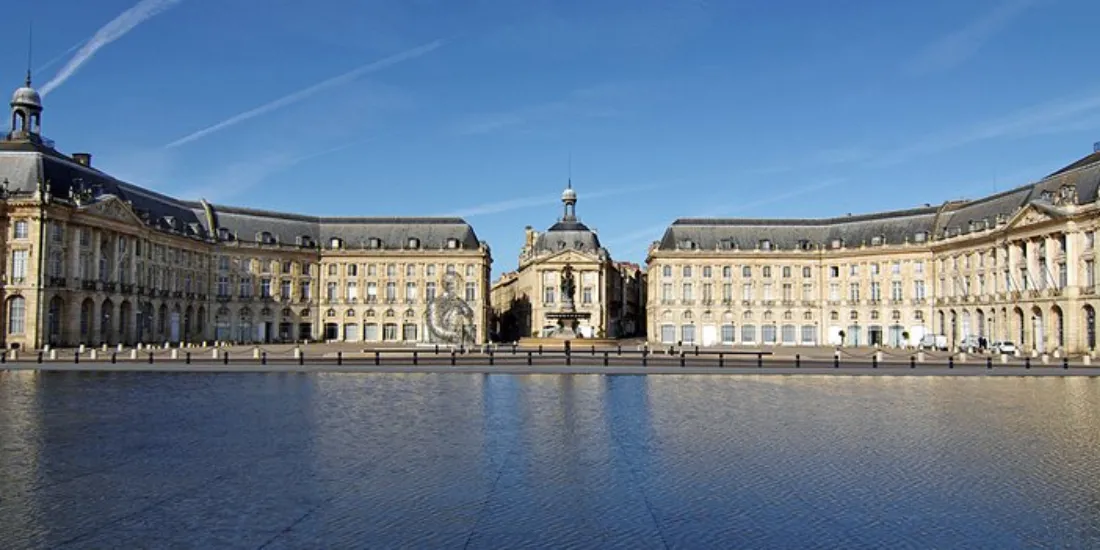


Grenoble is a research-focused city in the French Alps, home to Université Grenoble Alpes (UGA), Grenoble INP, a well-regarded management school and major research centres, with student costs well below Paris. For 2026–27, non-EU students at public universities pay €2,902 a year for a bachelor’s and €3,950 for a master’s, and applicants for a student visa must show €877.50 a month in funds for applications filed from 1 August 2026. This guide explains how studying in Grenoble works for Indian students: institutions, costs, the Campus France process, visa rules, work rights, housing and a realistic timeline. Last reviewed on 11 November 2026.
Why Students Choose Grenoble
- Science and technology. UGA, Grenoble INP and nearby research centres such as CEA, CNRS and the European Synchrotron (ESRF) make the city strong in physics, engineering, computing, chemistry and life sciences.
- A large university for a mid-sized city. UGA has roughly 60,000 students, including about 9,000 international students, according to local guides.
- Lower costs than Paris. UGA’s own housing guide lists studios at about €415 a month, and students under 26 can get a public transport pass for roughly €18 a month.
- Mountains on the doorstep. Hiking, skiing and cycling are easy to reach from the city.
- The trade-off. Many programmes are taught in French, CROUS places for international students are limited, and winters can be cold.
Top Universities and Schools in Grenoble
| Institution | Known for | Good to know |
|---|---|---|
| Université Grenoble Alpes (UGA) | Sciences, engineering, computing, medicine, law, humanities, economics | Public; includes Grenoble INP and Sciences Po Grenoble within the UGA group since 2020 |
| Grenoble INP – UGA | Engineering and technology | Separate engineering admissions; check each school’s requirements |
| Grenoble Ecole de Management (GEM) | Management, technology and innovation | Private business school; own admission process and fees |
| Sciences Po Grenoble – UGA | Political and social sciences | Own admission process |
Teaching languages, entry requirements and deadlines differ by programme, so read each programme page before you apply.
Tuition Fees in France for 2026–27
| Level at a public institution | Non-EU annual fee, 2026–27 |
|---|---|
| Bachelor’s (licence) | €2,902 |
| Master’s | €3,950 |
| Doctorate | €398 |
These are the nationally set fees for non-EU students, as published on university pages for 2026–27. Some documents still show €2,895 and €3,941, the figures announced earlier in the year, so use the university’s current page. Every student also pays the CVEC student life contribution, €105 for 2026–27. A decree in May 2026 limits how many non-EU students a university can exempt from the differentiated fees, so do not count on a waiver. Business schools and private institutions set their own fees, so check each school’s website.
Cost of Living in Grenoble
| Expense | Typical cost (estimate) |
|---|---|
| CROUS residence | About €230 to €570 a month, depending on the residence |
| Private student residence | About €360 to €750 a month |
| Studio | About €415 a month on average, per UGA’s housing guide |
| Shared flat (colocation), per person | About €350 a month |
| Room with a host | About €300 a month |
| University canteen (CROUS) meal | €3.30 for students |
| Public transport (M réso) | From about €18 a month for students aged 18 to 25 |
Local guides put a student budget at roughly €900 to €1,250 a month for a private set-up, and less with a CROUS room or a flat share. The CAF housing benefit can return roughly €100 to €250 a month to eligible students, including international students. UGA warns that heating, electricity and other charges can change the real cost, so always ask whether charges are included. These figures are estimates and change every year.
Student Visa, Campus France and Funds
Indian applicants for most French programmes go through Campus France India and the Études en France platform. Some schools run their own application portals, so read each programme’s instructions. After admission, you apply for a long-stay student visa (VLS-TS) on the France-Visas website, then validate it online after you arrive. Check Campus France and France-Visas for the current steps and fees.
- Proof of funds: €877.50 a month for applications filed from 1 August 2026. Older guides that say €615 a month are out of date.
- Documents: admission letter, passport, proof of accommodation or an address in France, and your financial evidence.
- CVEC: you obtain the CVEC certificate before you enrol. It costs €105 for 2026–27 for most students.
- Language: French-taught programmes ask for French (TCF or DELF), and English-taught programmes usually ask for an English test. Check each programme’s requirement.
Working While You Study and After Graduation
- During your studies: a student residence permit lets you work up to 964 hours a year, roughly 20 hours a week, with no separate work permit, at no less than the legal minimum wage (roughly €12 an hour gross). Internships that are part of your course do not count towards the 964 hours.
- After your degree: master’s graduates can apply for the post-study residence permit for job search or business creation, now called RÉCE (formerly APS). It is normally valid for 12 months and not renewable, although some situations may allow longer. Confirm the current rule with Campus France before you rely on it.
Scholarships and Financial Aid
- Eiffel Excellence Scholarship: a French government programme for master’s and PhD students, with a monthly allowance and other support. It is competitive, and universities nominate candidates.
- Charpak scholarships: run through the French Embassy in India for eligible Indian students. Check the current call for categories, eligibility and deadlines.
- University and school scholarships: UGA, Grenoble INP and GEM may offer their own awards. Check each institution’s page, since amounts and eligibility vary.
- Campus France scholarship search: lists scholarships by level and country of origin.
Where Students Live
- Saint-Martin-d’Hères. The main university campus area, with many student residences and generally lower rents than the centre.
- City centre. Lively and walkable, with higher rents.
- CROUS residences. The cheapest option, but places are limited and priority goes to French scholarship holders. Applications from international students for 2026–27 opened on 7 July 2026, and applying does not guarantee a room.
- UGA accommodation gateway. UGA’s International Students and Scholars Office runs a platform for students who join through certain programmes and partnerships.
Rental scams are common, so never pay a deposit before you have seen the contract and, where possible, the flat. If you do not have a French guarantor, ask about the government’s Visale guarantee or a guarantor service. Our student accommodation page explains how we can help.
A Typical Application Timeline
Deadlines vary by programme, so use this as a rough guide for a September start.
| When | What to do |
|---|---|
| October to December | Shortlist programmes, check language and test requirements, and register with Campus France India |
| January to March | Prepare documents and submit applications through Études en France or each school’s portal |
| April to May | Admission decisions and scholarship results |
| June to July | Visa application, CVEC certificate, and CROUS and housing applications |
| August to September | Travel, validate your visa online and attend orientation |
FAQs About Studying in Grenoble
Public university tuition for non-EU students is €2,902 a year for a bachelor’s and €3,950 for a master’s in 2026–27, plus the €105 CVEC. Living costs are commonly estimated at roughly €900 to €1,250 a month for a private set-up, and less with a CROUS room or flat share.
For applications filed from 1 August 2026, you must show €877.50 a month. Older figures such as €615 a month are out of date.
Places are limited and priority goes to French scholarship holders, so applying does not guarantee a room. Apply as soon as applications open and keep a private housing backup.
Yes, up to 964 hours a year, roughly 20 hours a week, with no separate work permit, at no less than the legal minimum wage.
Not always. Some master’s and engineering programmes are taught in English, but French-taught degrees require a French test, and daily life works far better with French.
Yes. Our counselling is free for students and covers study in France and elsewhere. Start with the free profile assessment.
Get Help Choosing a French University
Eduvisor’s counselling is free for students. We are paid by partner universities and colleges once a student enrols and pays tuition fees, and we still show you options that suit your profile, including ones that are not with our partners. Start with the free profile assessment or contact us. You can also compare other French cities, such as Paris, Toulouse and Montpellier.
Sources: Campus France, 2026–27 fee pages of French public universities, Université Grenoble Alpes budget, housing and international student guides, and Grenoble student-cost guides. Fees, funds and permit rules change often, so confirm them with Campus France and the institution before you apply.