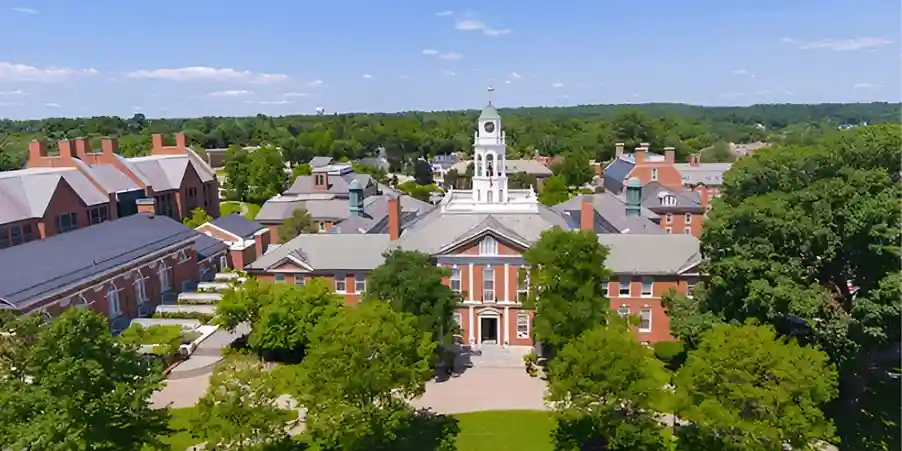


Derby is a mid-sized city in the East Midlands, home to the University of Derby and a major engineering and rail employer base. It suits Indian students who want a UK degree in a quieter, lower-cost city than London, with good rail links and the Peak District nearby. The University lists undergraduate tuition for international students at £17,500 a year for September 2026 and January 2027 entry, and the UK Student visa requires you to show living costs on top of that. This guide covers courses, fees, visa rules, accommodation, living costs and work after study. Last reviewed on 11 November 2026.
Why Students Choose Derby
- Lower costs than big cities. Rent and everyday expenses are generally lower than in London, Manchester or Edinburgh, although you still need to budget carefully.
- Industry links. The Derby area has a long engineering tradition, with major employers in aerospace, rail and automotive manufacturing, including Rolls-Royce, Alstom and Toyota. This can help students in engineering, business and related fields look for placements and projects.
- Location. Derby has direct train services to London and other major cities, and the Peak District is easy to reach for weekends.
- A manageable size. The city is compact and easier to navigate than a large metropolis, which many first-time international students find helpful.
The University of Derby
The University of Derby is the city’s main university. It teaches at several sites, including its main campus on Kedleston Road, Markeaton Street and city-centre buildings, as well as at Chesterfield and Buxton. Courses cover business, computing and data science, engineering, health and social care, psychology, law, creative arts, music production and more. Course pages on the University’s website list entry requirements, fees and start dates, so check your specific course before you apply.
How to Apply
- Choose your course and read the entry requirements, including any English language requirement.
- Apply through the route shown on the course page. Many courses accept direct applications from international students, and some undergraduate courses use UCAS.
- Submit documents: marksheets or transcripts, passport, English test evidence where required, and a personal statement or references if the course asks for them.
- Accept your offer and pay any required deposit.
- Request your CAS (Confirmation of Acceptance for Studies) and apply for your Student visa.
Tuition Fees and Scholarships
For undergraduate courses starting in September 2026 or January 2027, the University of Derby lists international tuition at £17,500 per year. Postgraduate fees depend on the course, so use the figure on your course page. Fees can change for later intakes, so check before you apply.
The University advertises international scholarships and fee reductions, including discounts on selected accommodation, but eligibility and amounts change each year. Check the scholarships page and the terms for your intake before you count on any discount.
UK Student Visa: Costs and Rules to Know
The Student visa is now the route for degree-level study. The old name “Tier 4” was retired in 2020. Rules and fees change often, so confirm every figure on GOV.UK before you apply. At the time of this review:
| Item | What to expect |
|---|---|
| Visa application fee | £558 for a Student visa applied for from outside the UK |
| Immigration Health Surcharge (IHS) | £776 per year of your visa |
| Maintenance funds (outside London) | £1,171 per month for up to 9 months, so £10,539, held for 28 days before you apply. The monthly figure rises to £1,203 for applications from 30 November 2026 |
| Tuition | You must show the first year’s tuition fee (less any deposit paid) as well |
| Graduate route (post-study work) | Two years if you apply by 31 December 2026 and 18 months from 1 January 2027 (three years for PhD graduates). The 28 October 2026 Budget announced that graduates of high-compliance universities will keep two years, but the qualifying universities and start date have not been published |
Degree-level students can usually work part time during term, up to 20 hours a week, but your visa conditions apply, so check the wording on your permission to stay.
Cost of Living in Derby
Your visa maintenance figure is a minimum, not a budget. Actual spending depends on where you live and how you eat, so build your own budget. University-listed accommodation near £115 a week has been reported for some rooms, though prices vary by building and room type. Private rentals, bills, food, transport, a phone plan and study costs are on top.
| Cost | How to plan |
|---|---|
| Accommodation | Compare university halls and private rooms. Check whether bills and Wi-Fi are included |
| Food | Cooking at home is far cheaper than eating out; supermarkets are widely available |
| Transport | Buses and trains serve the city. Student railcards and bus passes can reduce travel costs |
| Health and phone | IHS covers NHS access; budget for a UK phone plan and any dental or optical costs |
| Study and leisure | Books, printing, trips and winter clothing |
Where to Live
Many first-year students choose university or private halls close to their campus. Later you may share a house in areas within walking or bus distance of campus. Whichever option you pick, check the tenancy agreement, deposit protection, what is included in the rent and how close the bus or train links are. Our student accommodation page explains how we can help.
Careers and Work After Study
Derby’s engineering and manufacturing base, along with employers across the East Midlands, gives students options for placements, part-time work and graduate roles. Opportunities depend on your course, your visa status and the employer’s sponsorship policy. If you want to work in the UK after your degree, plan early: look for a placement year, use the University’s careers service and keep the Graduate route and Skilled Worker requirements in mind.
FAQs About Studying in Derby
Derby suits students who want a UK degree in a quieter, lower-cost city with good rail links and nearby industry. If you want a very large student community or the widest job market, a bigger city may suit you better.
The University lists £17,500 per year for undergraduate courses starting in September 2026 or January 2027. Postgraduate fees depend on the course.
You must show your first-year tuition fee (less any deposit) plus maintenance funds, which are £1,171 a month for up to 9 months outside London and rise to £1,203 a month for applications from 30 November 2026. Check GOV.UK for the current rule.
Degree-level students can usually work up to 20 hours a week during term time, but your visa conditions apply. Check the wording on your permission to stay.
Two years if you apply by 31 December 2026 and 18 months from 1 January 2027 (three years for PhD graduates). The 28 October 2026 Budget announced that graduates of high-compliance universities will keep two years, but the qualifying universities and start date have not been published, so plan for 18 months and confirm the rule that applies to you on GOV.UK.
Yes. Our counselling is free for students and covers study in the UK and elsewhere. Start with the free profile assessment.
Get Help Choosing a UK University
Eduvisor’s counselling is free for students. We are paid by partner universities and colleges once a student enrols and pays tuition fees, and we still show you options that suit your profile, including ones that are not with our partners. Start with the free profile assessment or contact us. You can also compare nearby cities such as Nottingham and Leicester, or read our guide to top UK universities for Indian students.
Sources: University of Derby fees and course pages (derby.ac.uk), GOV.UK Student visa guidance and UK Government announcements on maintenance funds and the Graduate route. Fees and visa rules change often, so confirm them on the official websites before you apply.